


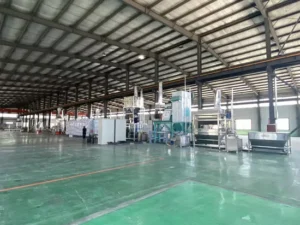


Product Details
About Floating Sinking Fish Feed Production Line Automatic Pellet Machine
Customized Screw & Die — We configure the MT75 twin-screw extruder based on your specific formulas and local raw materials like cassava or corn to ensure precise buoyancy.
Technical Specifications
| Parameter | Value |
|---|---|
| Product Type | Floating And Sinking Fish Feed Production Line |
| Capacity | 600-1000 kg/h, 1000-2000 kg/h, 2000-4000 kg/h, 4000-6000 kg/h |
| Main Motor Power | 90 kW, 110 kW, 160 kW, 280 kW |
| Product Size | 1-30 mm |
| Product Shapes | Floating and sinking pellets, various shapes |
| Raw Materials | Corn flour, wheat flour, fish meal, bone powder, animal oil, meat powder, grains, beans, vegetables |
| Material of Construction | SUS201, SUS304 |
| Control System | PLC/MCC control |
| Line Dimensions | 4557 m, 5057 m, 6057 m, 55610-12 m, 60812-14 m, 70814 m |
| Certification | CE, ISO 9001:2015 |
| Origin | Shandong, China |
Application Suitability
| Industry | Typical Products |
|---|---|
| Aquaculture Farms | Tilapia floating pellets 2-6 mm, catfish floating feed 4-8 mm |
| Bottom Species Farming | Sinking carp pellets 3-5 mm, bottom-feeding fish feed |
| Crustacean Culture | Sinking shrimp pellets 1-2 mm, crab feed 2-4 mm |
| Hatcheries | Fry starter feed 0.9-1.5 mm |
Why Half the Floating Feed Ends Up on the Pond Bottom
Poor preconditioning and mismatched screw configurations cause inconsistent gelatinization and buoyancy failure. I once ran a feed mill where a weak preconditioner left half the floating pellets sinking, wasting tons of product and angering local farmers. When extrusion parameters ignore local raw material variations like high-fiber cassava or high-fat fish meal, the starch matrix fails to expand properly. This floating and sinking fish feed production line manufacturer solves the issue by rigorously testing every formula in our workshop before shipment.
Integrating the Line into Your Aquafeed Workflow
A floating and sinking fish feed production line manufacturer must align the entire process with your specific aquaculture goals, from initial grinding to final packing. We design the workflow to accommodate your factory space, offering both horizontal and vertical dryer layouts. Whether you need a complete turnkey setup or OEM/ODM customization for single machines like the extruder or dryer, the line adapts to your production rhythm.
Overcoming Raw Material and Processing Challenges
Local ingredients vary significantly in moisture, fiber, and fat content, directly affecting extrusion stability. High fish meal formulas require precise temperature control to prevent burning, while plant-based diets need adequate shear force to break down cell walls. The PLC/MCC control system monitors these variables, adjusting steam injection in the preconditioner to optimize pre-gelatinization. Switching between floating tilapia feed and sinking shrimp pellets demands quick die changes and specific screw element arrangements to maintain pellet integrity.
Core Equipment Segments Explained
The process begins with the Hammer Mill and Mixer to ensure uniform particle size and ingredient distribution. The Preconditioner injects steam to initiate starch gelatinization, which is critical for buoyancy. Inside the Twin-Screw Extruder, co-rotating screws generate the necessary shear and pressure to cook the mixture. The Die & Cutter shapes the strands and cuts them to the exact length required for your target species. Finally, the Multi-Layer Dryer reduces moisture for storage stability, and the Flavoring Drum applies oil and attractants to enhance palatability.
Hidden Costs of Choosing the Wrong Line
Selecting inadequate equipment leads to sinking pellets that pollute the water and kill fish, or irregular shapes that cause sorting losses. A bottleneck section, like an undersized dryer, leaves moldy stock that ruins entire batches. Oily chips from poor coating application waste expensive additives, while an idle line due to frequent breakdowns halts your entire supply chain.
Why Source Your Equipment from Us
As a direct manufacturer, we control every fabrication step, ensuring the twin-screw extruder matches your exact buoyancy requirements. We run and test every line in our dedicated workshop, preventing the mismatched equipment issues I witnessed early in my career. Our engineers provide on-site installation and operator training, guaranteeing your team can handle die changes and screw adjustments confidently. We also offer lifetime remote technical support to troubleshoot process deviations instantly.
Documentation & Delivery
- CE certificate and ISO 9001:2015 quality records
- Factory test-run video with your specific formula
- Trial report using your own raw materials
- Third-party inspection reports before shipment
- Packing list, invoices, and customs documents
- Export wooden crates with anti-rust and moisture protection
Installation, Utilities & Maintenance
- Confirm power supply, voltage, and frequency matching for the main motor
- Connect steam or gas lines for the preconditioner and dryer heating
- Verify floor layout, ceiling height, and load-bearing capacity for the multi-layer dryer
- Supply clean water and compressed air for pneumatic cutters and control valves
- Schedule regular die and cutter blade replacement to maintain pellet shape accuracy
- Conduct periodic screw element wear checks to preserve extrusion pressure
- Clean the dryer interior and oil coating system to prevent cross-contamination
Start Your Project with a Clear Plan
To proceed, provide your target product shapes, required capacity, raw material formulations, preferred heating method, and factory dimensions. In return, you will receive a comprehensive line proposal, detailed CAD or 3D plant layouts, and an itemized technical quotation. We also invite you to visit our testing workshop to run live trials with your materials.
Frequently Asked Questions
Q: How to determine the complete line configuration based on target product and capacity?
A: The configuration depends on your target hourly output and pellet size. For 1-2 t/h, we select the 110 kW or 160 kW extruder. Floating feeds require a robust preconditioner and multi-layer dryer, while sinking feeds might need a different screw configuration and cooler setup. We customize the screw elements and die based on your specific species.
Q: Can the extruder process local raw materials like cassava or high-fish-meal formulas?
A: Yes, the MT75 twin-screw extruder handles diverse recipes. For high-fiber cassava, we adjust the screw compression ratio to ensure proper gelatinization. High-fish-meal formulas require specific temperature profiles and shear settings to prevent protein denaturation. We test your exact materials in our workshop to finalize the parameters.
Q: What is the difference between horizontal and vertical dryer layouts for my factory space?
A: A horizontal dryer requires a longer footprint but offers easier maintenance access. A vertical multi-layer dryer saves floor space by utilizing ceiling height, making it ideal for compact workshops. Both ensure uniform heat distribution to reduce pellet moisture effectively for long-term storage stability.
Q: How long does it take to change dies and cutters for different pellet shapes?
A: Changing the die and cutter assembly typically takes under an hour for trained operators. The process involves removing the die mold, installing the new one, and adjusting the cutter speed to match the desired pellet length. We provide detailed training during on-site commissioning to ensure quick changeovers.
Q: What does the on-site installation, commissioning, and warranty service include?
A: Our engineers handle mechanical assembly, electrical wiring, and pipeline connections. They run the line with your materials to optimize parameters and train your staff on operation and safety. The 12-month warranty covers spare parts at cost, backed by lifetime remote video support for any technical issues.
Factory Trial and Customization
See Your Pellets Before You Sign
Jinan MT Machinery runs trials on your own raw materials at our factory in Shandong, China, and builds each machine around your recipe, output and local utilities.
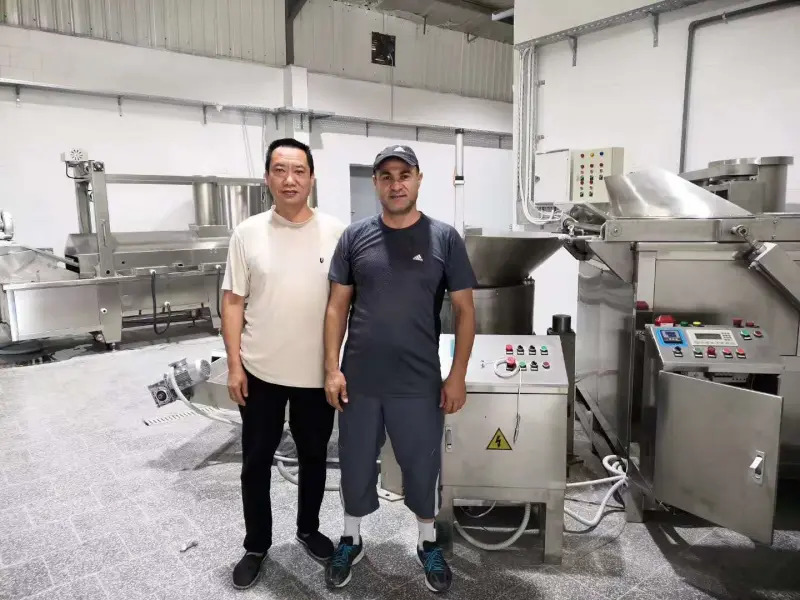
Trial Run on Your Own Raw Materials
- Bring local corn, cassava or soybean meal and run it at our factory.
- Formula testing helps your technical team confirm expansion and pellet quality.
- Inspect the pellets and the workshop before production is scheduled.

Die, Screw and Heating Built to Your Spec
- Custom dies for the pellet sizes and shapes your market buys.
- Screw combination configured for your recipe and output target.
- Heating method matched to your local voltage and heat source.
- OEM and ODM available from our own factory.
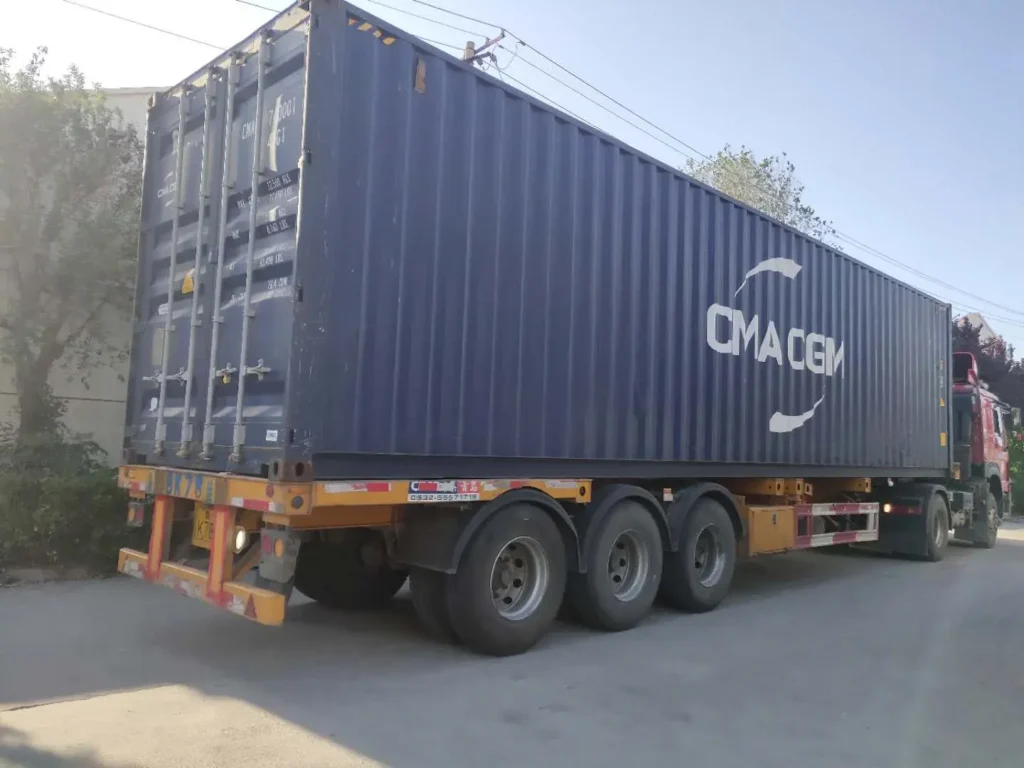
Delivery and After-Sales
Packed for Export, Installed by Our Engineers
Every order leaves in anti-rust, moisture-proof wooden crates, and our engineers install it on site, train your operators and back it with a 12-month warranty.
Export Packing
- Wooden export crates
- Anti-rust and moisture-proof treatment
- Export logistics arranged with your team
On-Site Commissioning
- Engineers install at your plant
- Commissioning on site
- Hands-on training for your operators
12 months Warranty
- Spare parts at cost, shipped with priority
- Parts supply for 10+ years
- Lifetime remote support by video, WhatsApp and email
Same Category
Related Feed Machines
Compare these machines from the same category to match your output, feed type and plant layout.
 sinking fish feed machine
Fish Feed Machine Extruder for Aquatic Feed Production Line
 sinking fish feed machine
Fish Feed Production Line Manufacturer Processing Plant
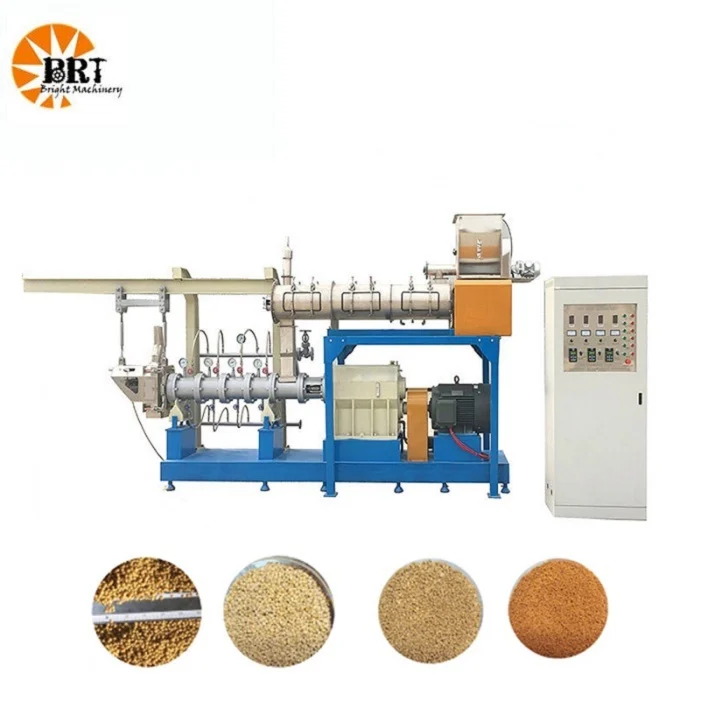 sinking fish feed machine
Floating Fish Feed Production Line Processing Machine
 sinking fish feed machine
Fish Feed Production Line Manufacturer Agricultural Processing Plant
Applications
Feed Types This Machine Serves
See the aquatic feed applications this machine is used for and the equipment behind each one.
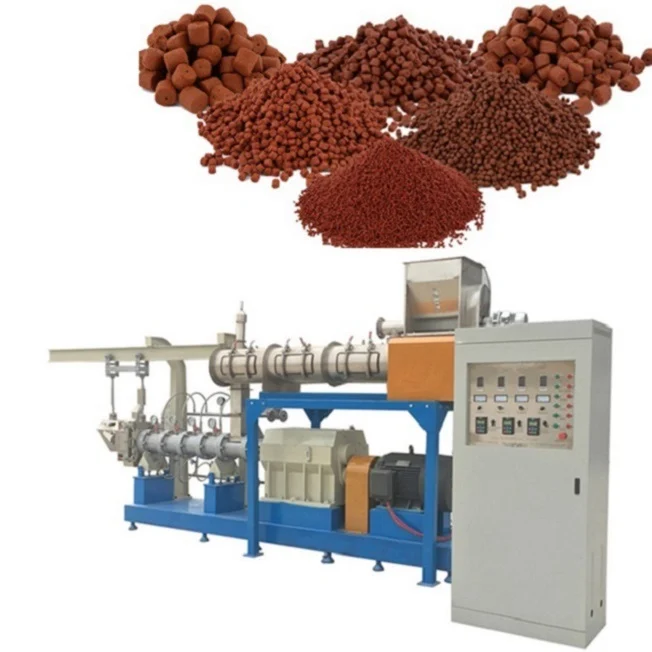
Bottom Fish Sinking Feed
Farms raising bottom-feeding species need dense pellets that sink quickly and stay intact until the fish reach them, produced on sinking feed lines or… sinking fish feed machine · floating fish feed machine
Fish Fry Starter Feed
Hatcheries, nurseries and feed mills serving them produce fine starter feed for fry, working at the small end of the 0.9–15 mm pellet range.… floating fish feed machine · sinking fish feed machine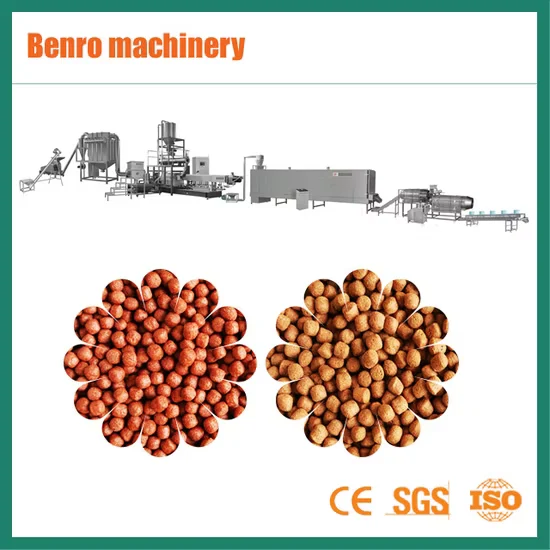
Tilapia & Catfish Floating Feed
Tilapia and catfish farms and the feed mills supplying them use twin-screw extrusion lines to produce floating pellets from local raw materials such as… floating fish feed machineBuyer Guides
Fish Feed Machine Selection Guides
These guides help owners and process engineers compare feed equipment before committing to a line.
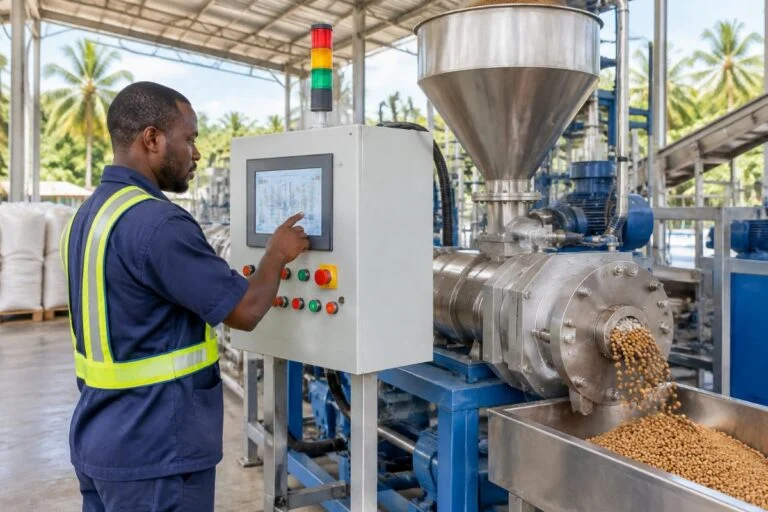 Oct 20, 2026 · Industry News
Africa Cage Fish Feed Extruder Line Manufacturer for Sale
Overcoming feed spoilage in tropical waters is the primary bottleneck for Cage fish farming Africa, driving the urgent shift to local feed production. Achieving… Read This Guide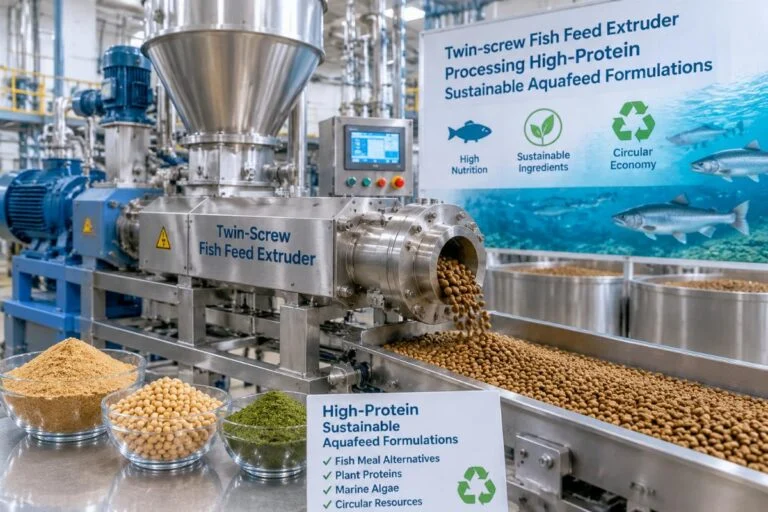 Oct 20, 2026 · Industry News
Aquafeed Extruder Manufacturer: DS70/DS95 Floating Fish Feed Line for Sale
Navigating evolving aquafeed demand trends requires precise twin-screw extrusion to overcome high-protein formulation challenges and ensure optimal starch gelatinization for water stability. Mastering shear… Read This Guide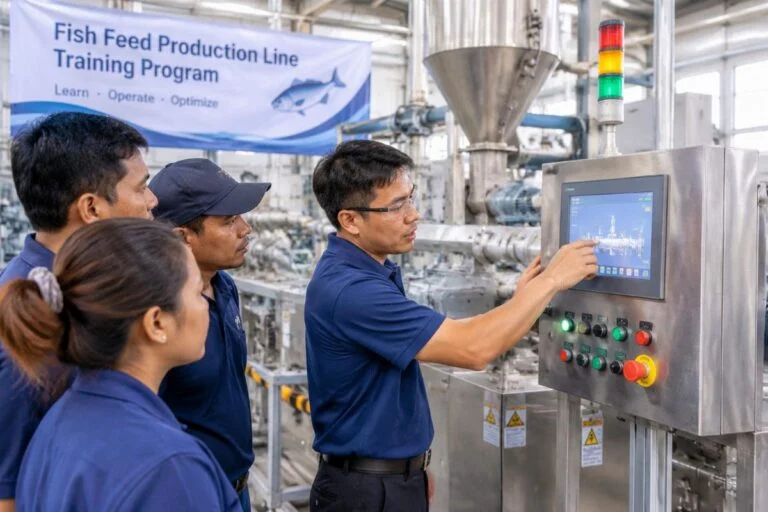 Oct 19, 2026 · News & Cases
Meiteng Fish Feed Line Training for Overseas Operators | Manufacturer
A practical fish feed line training program resolves sinking pellets caused by improper energy balance in new extrusion lines. On-site debugging aligns parameters with… Read This GuideFAQ
Questions Before You Order
Buyers of Jinan MT Machinery feed machines most often ask about factory trials, delivery, payment and spare parts.
Can I test the machine with my own raw materials before ordering?
Yes. You can visit our factory and run a trial with your own raw materials before signing the contract. Formula testing is also available, so your technical team can check the results on local ingredients.
What is the delivery time?
Common standard models are in stock and delivered within 10 days. Custom solutions take 30–50 working days. Every line completes a full test run before it leaves the factory.
What payment terms do you accept?
We accept T/T and L/C, usually at sight, as well as Alibaba Trade Assurance. PayPal is available for small orders and Western Union for sample orders. D/P and D/A are considered only for long-term customers with good credit.
How do I get spare parts and support after installation?
Spare parts ship with priority at cost price, and parts supply continues for more than 10 years. The warranty runs 12 months, with lifetime remote support by video, WhatsApp and email. Preventive maintenance, emergency repair and staff training are also available.
What our customers say
“Floating pellets hold on the water for over six hours. On our old line half the feed sank within 30 minutes and we lost money on every bag.”
“One MT75 line runs floating tilapia feed and sinking feed for bottom feeders by changing the die and settings. No second line needed.”
“They tested our local cassava and rice bran blend at their factory before we signed, and the expansion ratio we got on site matched what they promised.”
Talk to the Factory
Get a Quote for Floating Sinking Fish Feed Production Line Automatic Pellet Machine
We reply within 24 hours with free process advice, a CAD and 3D workshop layout, and an itemized technical quotation.
- WhatsApp+86 186 1542 3372
- Emailmt@mtmachinery.com
- Response TimeWithin 24 hours