


Product Details
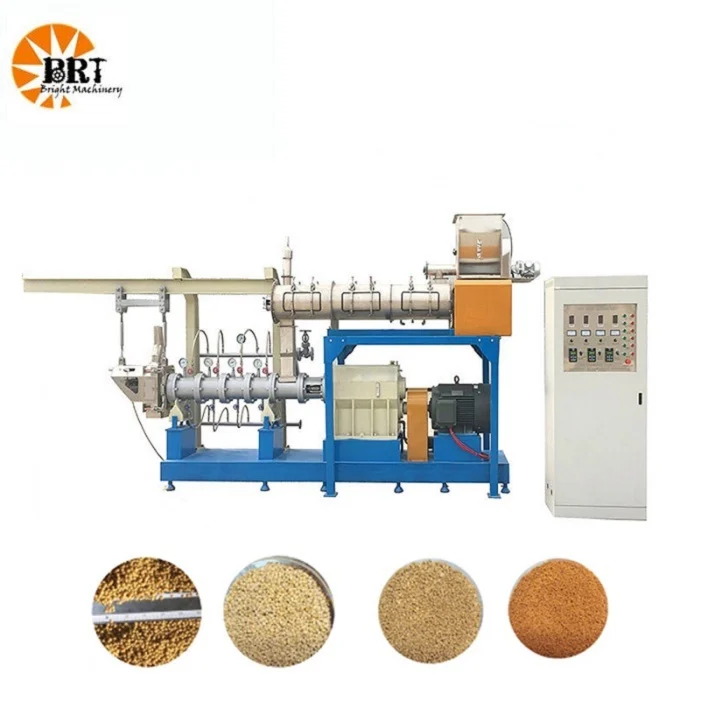
About Floating Fish Feed Production Line Processing Machine
Full line run-tested — Every MT75 extruder and complete setup is tested with actual raw materials in our workshop before shipment to guarantee floating performance.
Technical Specifications
| Parameter | Value |
|---|---|
| Product Type | Floating Fish Feed Production Line |
| Capacity | 100-150 kg/h to 5000-6000 kg/h |
| Main Extruder | Twin-screw extruder |
| Screw Type | Co-rotating twin screw |
| Total Installed Power | 80 kW to 540 kW |
| Heating Method | Electricity, fuel oil, gas, steam |
| Product Size | 0.9 to 15 mm |
| Raw Materials | Corn, cassava, soybean meal, fish meal |
| Control System | PLC touch screen control system |
| Material of Construction | 304 stainless steel (dryer mesh), high-speed alloy steel (screw) |
| Certification | CE, ISO 9001:2015 |
| Origin | Shandong, China |
Application Suitability
| Industry | Typical Products |
|---|---|
| Aquaculture Farms | Tilapia floating pellets 2-6 mm, catfish floating feed 4-8 mm |
| Commercial Feed Mills | Carp sinking pellets 3-5 mm, shrimp and crab feed 1-2 mm |
| Hatcheries | Fry starter feed 0.9-1.5 mm |
Why Half the Floating Feed Ends Up on the Pond Bottom
Mismatched extrusion parameters and poor drying cause pellets to sink or mold. When I managed a mill in Kenya, we processed local cassava blends without adjusting the screw configuration, resulting in half the pellets sinking. Worse, an undersized dryer left high moisture, leading to severe mold in the warehouse. Sinking feed wastes money and pollutes water, while moldy stock destroys farm profitability. As a floating fish feed production line manufacturer, we solve this by configuring the co-rotating twin-screw extruder specifically for your local starch and protein ratios.
Integrating the Line into Your Aquafeed Workflow
A floating fish feed production line manufacturer must align the entire sequence from raw material intake to final packaging with your specific facility constraints. We provide comprehensive plant design, conduct factory trials with your exact recipes, and offer OEM/ODM customization to fit your spatial and output requirements. This ensures the equipment integrates smoothly into your existing operations or new turnkey aquafeed projects without bottlenecks.
Navigating Raw Material and Processing Variables
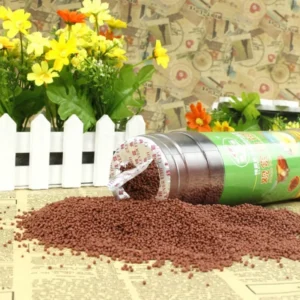
Local raw materials like cassava or corn vary significantly in starch content and moisture, directly affecting the expansion rate inside the barrel. High fish meal inclusion increases protein and fat, which alters the melting point and requires precise temperature control to achieve proper gelatinization. Pellet size and density must be strictly maintained, whether producing large floating tilapia feed or micro starter feed for fry. Inadequate drying or uneven oil coating compromises storage stability and nutritional value.
Selecting Equipment Segments for Aquatic Feed
The screw conveyor and mixer ensure quantitative feeding and homogeneous blending of powder and liquid ingredients before extrusion. The core MT75 co-rotating twin-screw extruder puffs and forms pellets, with screw configurations adjustable for different floating or sinking requirements. An air conveyor gently transfers wet pellets to the multi-layer dryer, which utilizes a 304 stainless steel mesh to reduce moisture efficiently. After drying, the sifter screens for uniform size, while the flavoring roller applies necessary oils and attractants. Finally, the cooling conveyor sets the pellet structure before packing.
Hidden Costs of an Improperly Configured Line
Choosing the wrong equipment setup leads to sinking pellets that ruin aquaculture water quality and cause fish mortality. Inconsistent drying results in moldy stock, forcing mills to discard entire batches and lose revenue. Irregular shapes and sizes from poorly matched die and cutter assemblies lead to high rejection rates during sifting. A bottleneck section, such as an undersized dryer or inadequate air conveyor, causes the entire idle line to stop, wasting energy and labor.
Why Source from Us
We run every complete line with actual raw materials in our testing workshop to verify floating performance and drying efficiency before shipment. Our engineers configure the MT75 extruder screw elements based on your specific formula, preventing the sinking pellet issues common with generic setups. We supply export wooden crates with anti-rust protection and provide full documentation for smooth customs clearance. Our team handles on-site installation, commissioning, and operator training to ensure your staff masters the PLC touch screen control system. We also offer lifetime remote technical support via video call to troubleshoot any process variations.
Documentation & Delivery
- CE certificate and ISO 9001:2015 quality management records
- Factory test-run video demonstrating floating performance
- Trial report using your specific raw materials
- Third-party inspection reports available upon request
- Packing list, commercial invoice, and customs documents
- Export wooden crates with anti-rust and moisture protection
Installation, Utilities & Maintenance
- Verify power supply and voltage match local industrial standards
- Connect steam or gas lines for the chosen heating method
- Ensure floor layout and ceiling height accommodate the multi-layer dryer
- Supply adequate water and compressed air for pneumatic components
- Schedule regular die and cutter blade replacement for clean cuts
- Perform routine screw element wear checks inside the barrel
- Clean the dryer mesh and oil coating system after each production batch
- Conduct comprehensive operator training for safe daily maintenance
Requesting a Custom Line Proposal
To receive an accurate proposal, please provide your target product types, pellet sizes, and required hourly capacity. Share your primary raw materials, formula direction, preferred heating method, and local voltage specifications. Include your available factory floor dimensions and ceiling height for accurate spatial planning. In return, you will get a complete line proposal, CAD and 3D plant layouts, an itemized technical quotation, and an invitation to run a factory trial.
Frequently Asked Questions
Q: How to determine the complete line configuration based on target product and capacity?
A: The configuration depends on your required hourly capacity, target pellet size, and whether the feed needs to float or sink. We select the appropriate MT75 extruder model, screw configuration, and dryer size based on these factors. A factory trial with your raw materials confirms the exact setup needed for optimal expansion and moisture removal.
Q: Can the line process local raw materials like cassava or corn effectively?
A: Yes, the co-rotating twin-screw extruder handles various starch sources, including cassava and corn. The screw configuration and barrel temperature profiles are adjusted to match the specific gelatinization properties of your local ingredients. We recommend running a trial at our facility with your exact raw material blend to verify the floating rate.
Q: What is the difference between twin-screw and single-screw extruders for fish feed?
A: Twin-screw extruders provide better mixing, self-cleaning, and precise control over shear and temperature compared to single-screw models. This ensures uniform gelatinization and consistent floating or sinking performance, especially when processing high-protein or high-fat aquatic feed formulas. It also allows for wider raw material adaptability without needing extensive preconditioning.
Q: How long does it take to change pellet shapes and sizes?
A: Changing pellet sizes involves swapping the die mold and adjusting the cutter speed on the PLC touch screen. This process typically takes under an hour once the operator is trained. The die and cutter assemblies are designed for quick replacement to minimize downtime during product changeovers.
Q: What does the on-site installation, training, and warranty cover?
A: Our engineers handle the mechanical assembly, electrical wiring, and full commissioning of the line at your facility. They train your operators on the PLC system, routine maintenance, and safety protocols. The warranty covers all equipment for 12 months, with lifetime remote technical support provided via video call and email.
Factory Trial and Customization
See Your Pellets Before You Sign
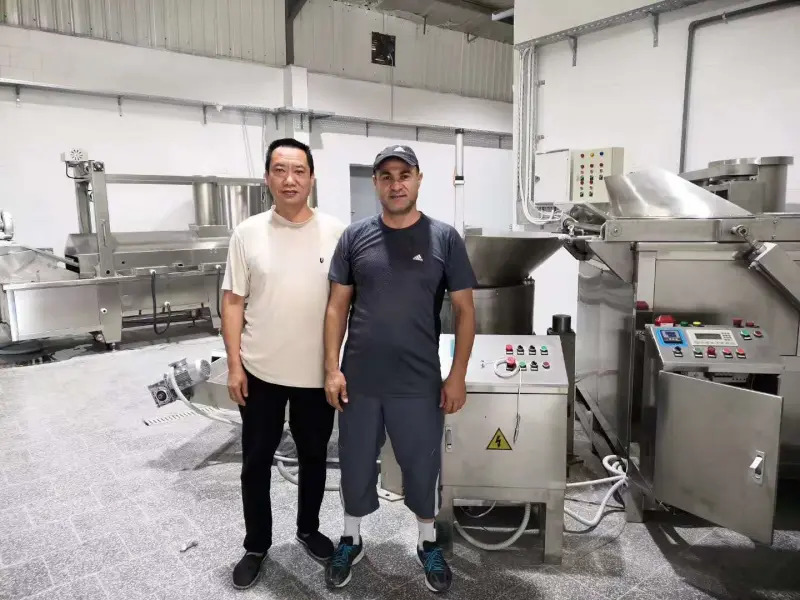
Jinan MT Machinery runs trials on your own raw materials at our factory in Shandong, China, and builds each machine around your recipe, output and local utilities.
Trial Run on Your Own Raw Materials
- Bring local corn, cassava or soybean meal and run it at our factory.
- Formula testing helps your technical team confirm expansion and pellet quality.
- Inspect the pellets and the workshop before production is scheduled.

Die, Screw and Heating Built to Your Spec
- Custom dies for the pellet sizes and shapes your market buys.
- Screw combination configured for your recipe and output target.
- Heating method matched to your local voltage and heat source.
- OEM and ODM available from our own factory.
Delivery and After-Sales
Packed for Export, Installed by Our Engineers
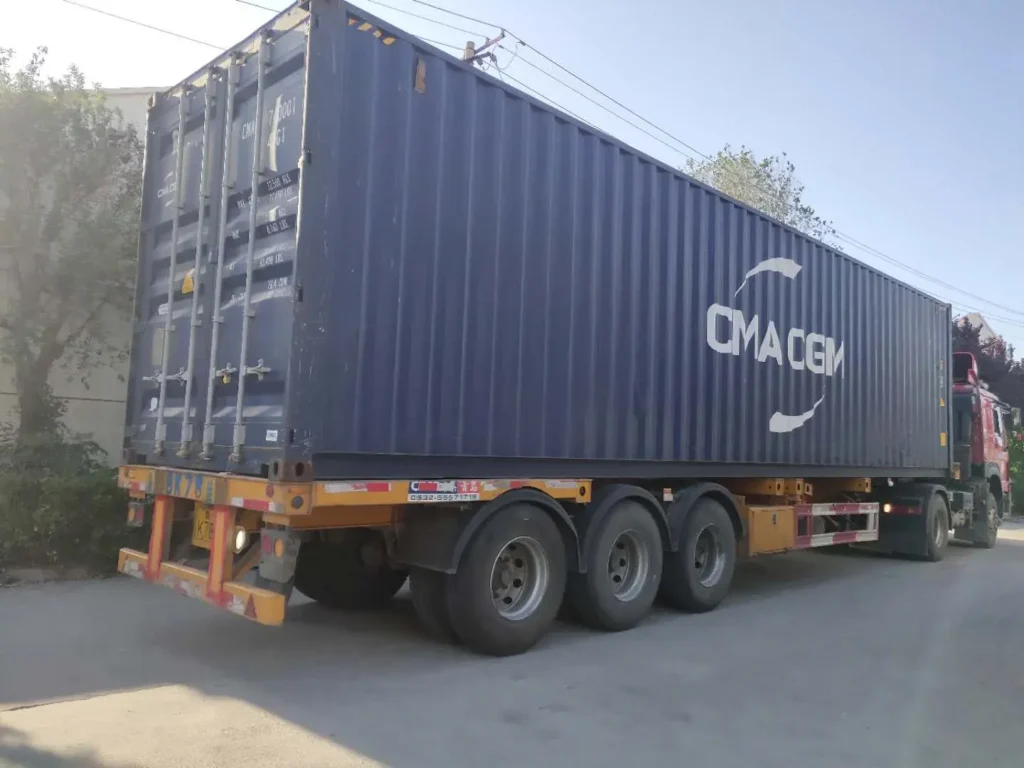
Every order leaves in anti-rust, moisture-proof wooden crates, and our engineers install it on site, train your operators and back it with a 12-month warranty.
Export Packing
- Wooden export crates
- Anti-rust and moisture-proof treatment
- Export logistics arranged with your team
On-Site Commissioning
- Engineers install at your plant
- Commissioning on site
- Hands-on training for your operators
12 months Warranty
- Spare parts at cost, shipped with priority
- Parts supply for 10+ years
- Lifetime remote support by video, WhatsApp and email
Same Category
Related Feed Machines
Compare these machines from the same category to match your output, feed type and plant layout.
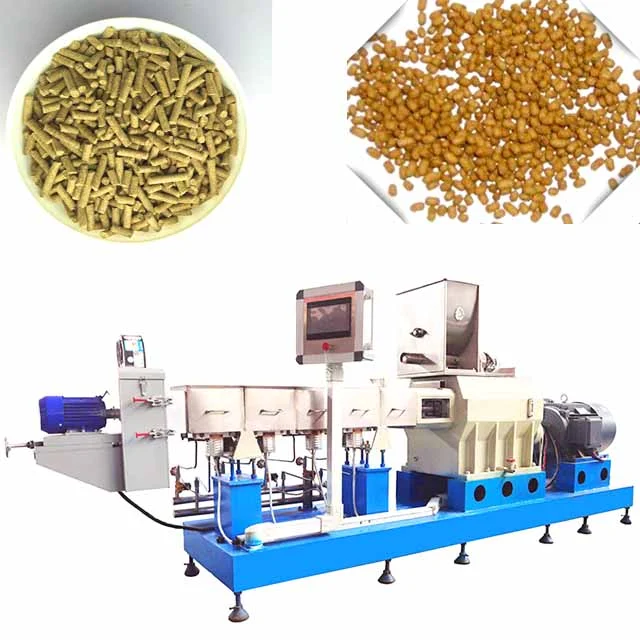
 sinking fish feed machine
Dry Fish Feed Pellet Production Line Manufacturer
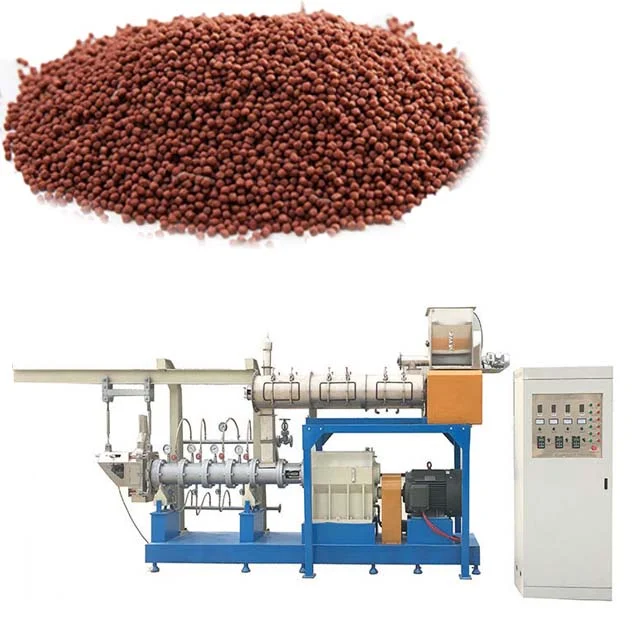
 sinking fish feed machine
Fish Feed Production Line Manufacturer Processing Plant
 sinking fish feed machine
Dry Floating Fish Feed Production Line Manufacturer
 sinking fish feed machine
Floating Fish Feed Production Line Pellet Machine
Applications
Feed Types This Machine Serves
See the aquatic feed applications this machine is used for and the equipment behind each one.
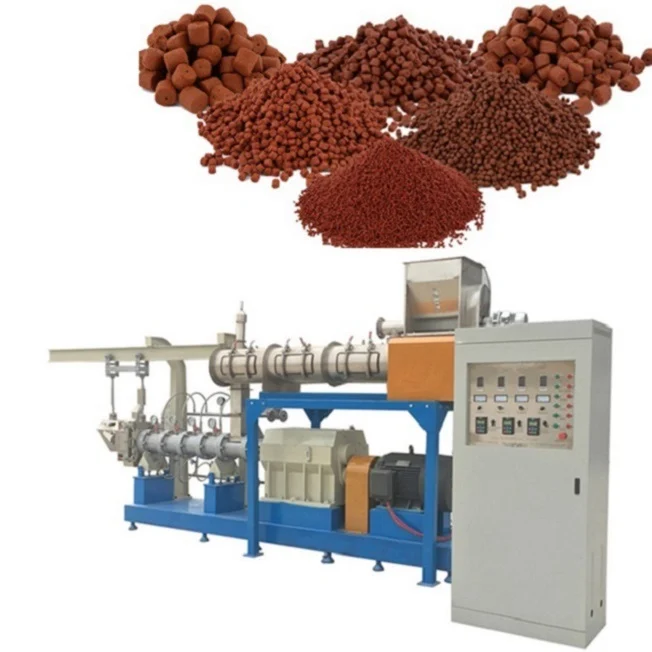
Bottom Fish Sinking Feed
Farms raising bottom-feeding species need dense pellets that sink quickly and stay intact until the fish reach them, produced on sinking feed lines or… sinking fish feed machine · floating fish feed machine
Fish Fry Starter Feed
Hatcheries, nurseries and feed mills serving them produce fine starter feed for fry, working at the small end of the 0.9–15 mm pellet range.… floating fish feed machine · sinking fish feed machine
Shrimp & Crab Feed
Shrimp and crab farms and specialist feed mills need small, dense pellets for animals that graze slowly on the pond bottom. Because crustaceans nibble… other aquactic feed machine · sinking fish feed machineBuyer Guides
Fish Feed Machine Selection Guides
These guides help owners and process engineers compare feed equipment before committing to a line.
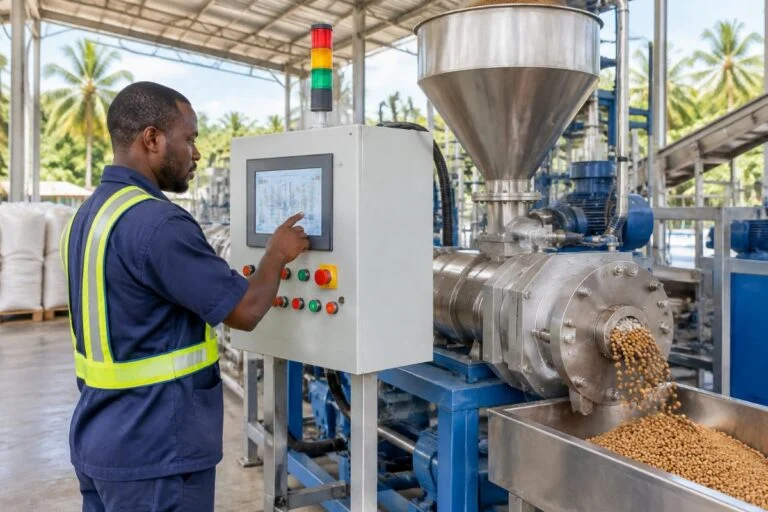 Oct 20, 2026 · Industry News
Africa Cage Fish Feed Extruder Line Manufacturer for Sale
Overcoming feed spoilage in tropical waters is the primary bottleneck for Cage fish farming Africa, driving the urgent shift to local feed production. Achieving… Read This Guide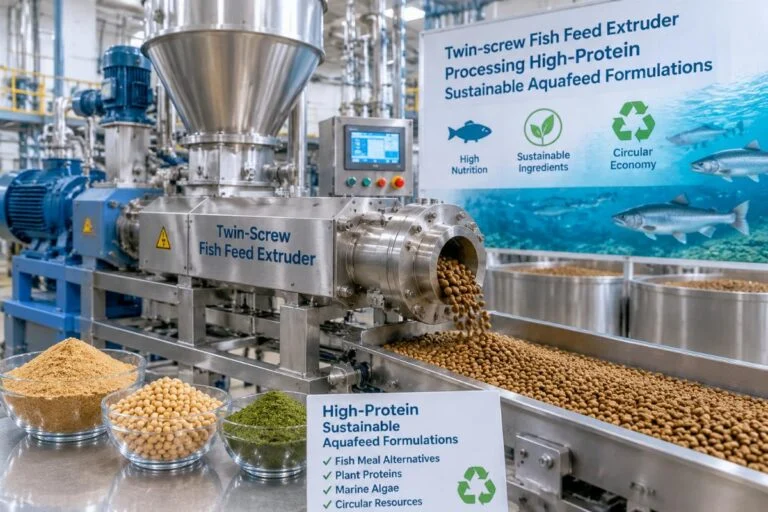 Oct 20, 2026 · Industry News
Aquafeed Extruder Manufacturer: DS70/DS95 Floating Fish Feed Line for Sale
Navigating evolving aquafeed demand trends requires precise twin-screw extrusion to overcome high-protein formulation challenges and ensure optimal starch gelatinization for water stability. Mastering shear… Read This Guide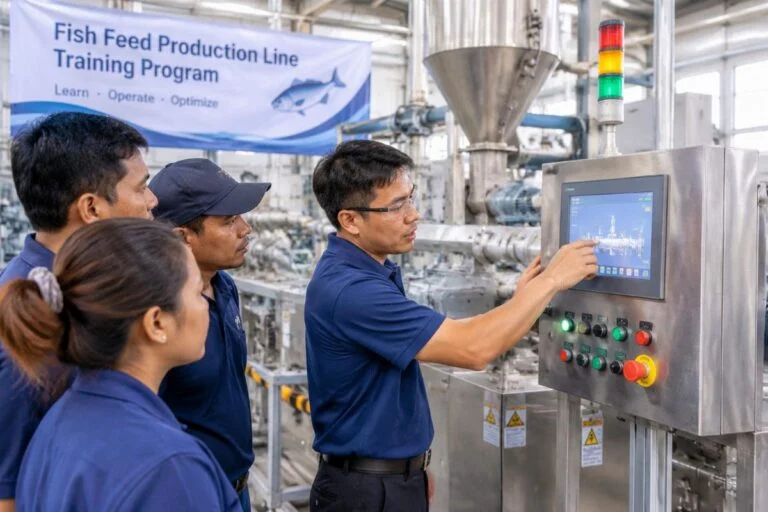 Oct 19, 2026 · News & Cases
Meiteng Fish Feed Line Training for Overseas Operators | Manufacturer
A practical fish feed line training program resolves sinking pellets caused by improper energy balance in new extrusion lines. On-site debugging aligns parameters with… Read This GuideFAQ
Questions Before You Order
Buyers of Jinan MT Machinery feed machines most often ask about factory trials, delivery, payment and spare parts.
Can I test the machine with my own raw materials before ordering?
Yes. You can visit our factory and run a trial with your own raw materials before signing the contract. Formula testing is also available, so your technical team can check the results on local ingredients.
What is the delivery time?
Common standard models are in stock and delivered within 10 days. Custom solutions take 30–50 working days. Every line completes a full test run before it leaves the factory.
What payment terms do you accept?
We accept T/T and L/C, usually at sight, as well as Alibaba Trade Assurance. PayPal is available for small orders and Western Union for sample orders. D/P and D/A are considered only for long-term customers with good credit.
How do I get spare parts and support after installation?
Spare parts ship with priority at cost price, and parts supply continues for more than 10 years. The warranty runs 12 months, with lifetime remote support by video, WhatsApp and email. Preventive maintenance, emergency repair and staff training are also available.
What our customers say
“Floating pellets hold on the water for over six hours. On our old line half the feed sank within 30 minutes and we lost money on every bag.”
“One MT75 line runs floating tilapia feed and sinking feed for bottom feeders by changing the die and settings. No second line needed.”
“They tested our local cassava and rice bran blend at their factory before we signed, and the expansion ratio we got on site matched what they promised.”
Talk to the Factory
Get a Quote for Floating Fish Feed Production Line Processing Machine
We reply within 24 hours with free process advice, a CAD and 3D workshop layout, and an itemized technical quotation.
- WhatsApp+86 186 1542 3372
- Emailmt@mtmachinery.com
- Response TimeWithin 24 hours