Fish Feed Technical Article
Fish Feed Line Spare Parts: Meiteng OEM Manufacturer for Sale
Ordering original equipment manufacturer replacements based solely on machine model numbers is the fastest way to bankrupt your production schedule.
To minimize downtime, you must match fish feed line spare parts material grades to your local raw material corrosiveness and specific production capacities, rather than simply copying the machine’s factory specifications.
I still remember a sweltering afternoon in Riyadh when a massive aquaculture facility’s entire extrusion line ground to a halt. The client urgently needed replacement screws and barrels. I shipped the standard catalog parts, assuming a direct swap would suffice. When we arrived on-site and fired up the twin screw extruder spare parts, the reality hit us hard: their local fish meal recipe was highly corrosive. The standard alloy simply could not withstand the abrasive environment. Within days, the components wore down, paralyzing the line for an extended period. That failure completely shifted my perspective. Sourcing fish feed line spare parts is never about blindly reading a catalog; it requires a deep understanding of the client’s local ingredient characteristics and operational conditions. Now, whenever I handle inquiries for fish feed machine wear parts, I always start by dissecting their specific formula and site environment..
Let us break down how to properly select and maintain your extrusion components to keep your aquaculture feed production running smoothly.
Why Standard Spare Parts Fail in High-Corrosion Environments?
Standard alloy components fail rapidly in high-corrosion environments because local fish meal composition dictates the necessity for specialized alloy upgrades, rendering basic factory parts obsolete.
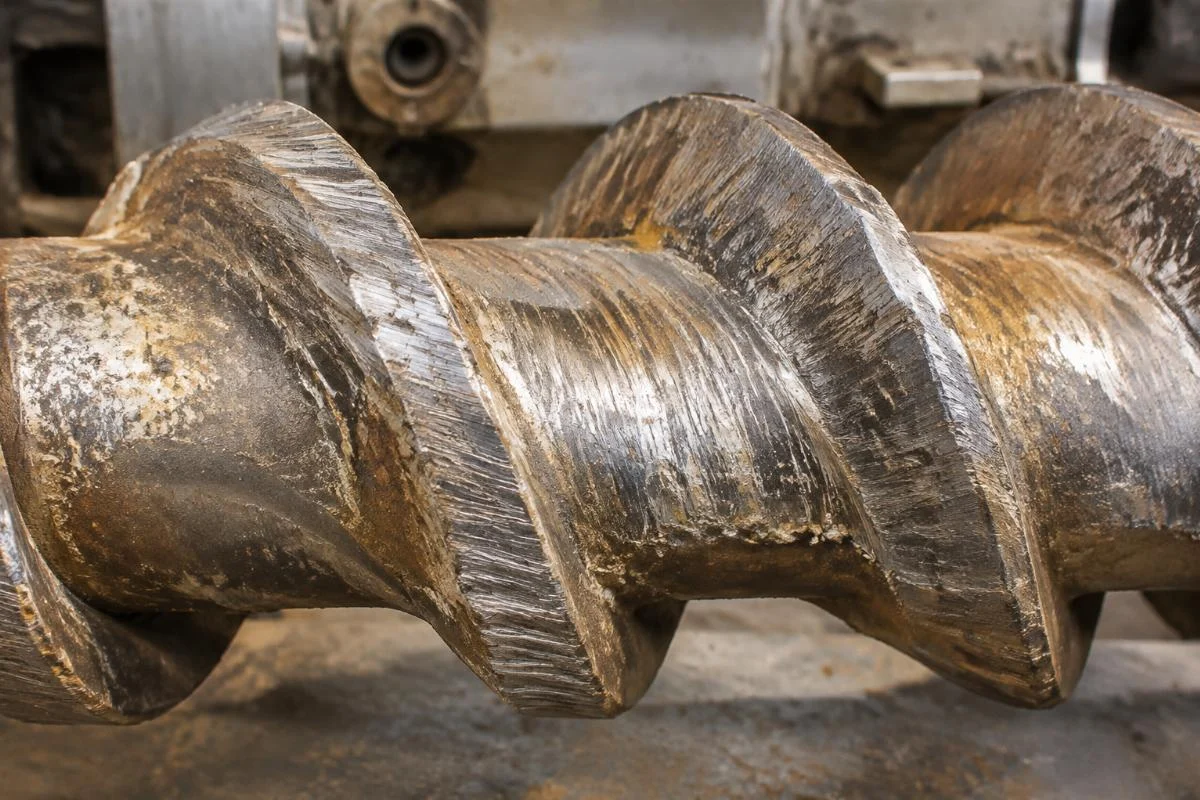
Many producers assume that buying OEM original parts is a guaranteed fix. However, the abrasiveness of your specific local ingredients dictates whether you need a custom alloy upgrade. When processing fish meal with high mineral or bone content, the friction generates immense heat and physical wear. Standard materials simply erode, altering the critical clearances inside the barrel.
To understand the difference, we must look at how material grades respond to abrasive indices.
| Material Grade | Corrosion Resistance | Abrasion Resistance | Suitable Fish Meal Type | Expected Lifespan Trend |
|---|---|---|---|---|
| Standard Alloy | Basic | Basic | Low-bone, mild formulas | Noticeably reduced |
| Specialized Coating | Robust | Robust | High-bone, high-mineral | Substantially extended |
| Custom Bimetallic | Resistant | Highly Resistant | Extreme corrosive recipes | Maximum durability |
A Southeast Asian aquaculture feed producer once faced this exact dilemma. They were processing a locally sourced fish meal with a notoriously high abrasive index. They initially installed standard fish feed line spare parts, only to find the screw flights wearing down to a fraction of their original depth within a single production cycle. By upgrading to specialized coated elements, their extruder screw and barrel replacement intervals were pushed back significantly, transforming their maintenance schedule from a weekly headache to a manageable monthly task..
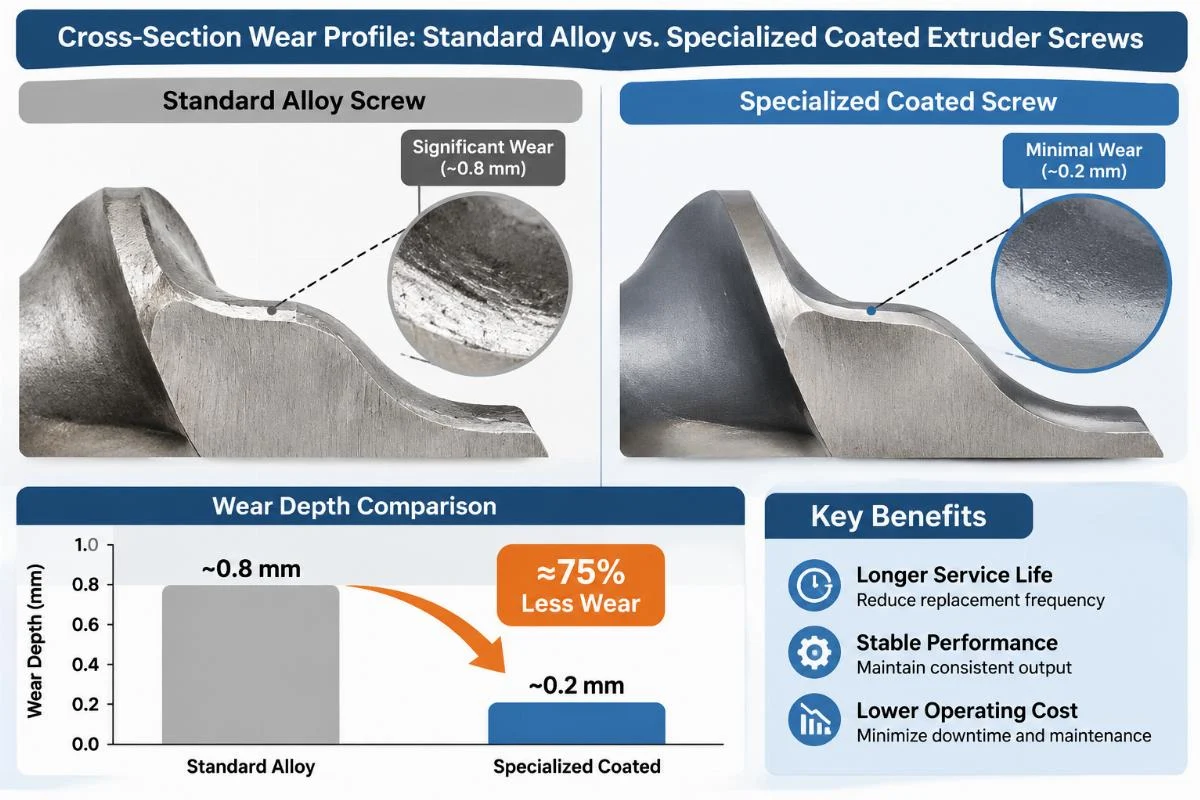
The lesson is clear: your local ingredient profile must drive your material selection, not the machine’s default build sheet.
Which Extruder Components Wear Out First and When?
In high-protein recipes, screws and barrels show wear significantly faster than die plates, making them the primary bottleneck for consistent pellet formation.
It is a common misconception that the die plate is the first component to fail. In reality, the internal compression zones of the screw and the inner lining of the barrel endure the most brutal mechanical and chemical stress, especially when processing high-protein aquatic feeds. As the screw flights wear, the compression ratio drops. This leads to poor material mixing, inconsistent temperature profiles, and ultimately, a drop in the pellet formation rate.
When evaluating twin screw extruder spare parts, you must monitor the clearance between the screw tip and the barrel wall. As this clearance widens due to wear, the shear force decreases. The material slips rather than being properly sheared and cooked.
| Component | Wear Trigger in High-Protein Recipes | Impact on Production | Maintenance Priority |
|---|---|---|---|
| Screw Elements | High shear stress & protein friction | Loss of compression, poor gelatinization | Critical |
| Barrel Linings | Continuous abrasive contact | Temperature instability, energy waste | High |
| Die Plates | Extrusion pressure & cutting friction | Pellet shape deformation | Standard |
A Latin American producer noticed their floating feed output was dropping, and the pellets were becoming irregular. They immediately blamed the die plate and ordered a new set. However, the real culprit was the worn-out screw elements, which had lost their ability to build adequate pressure before the material even reached the die. Replacing the fish feed machine wear parts internally restored the pressure dynamics, and the original die plate continued to perform perfectly..
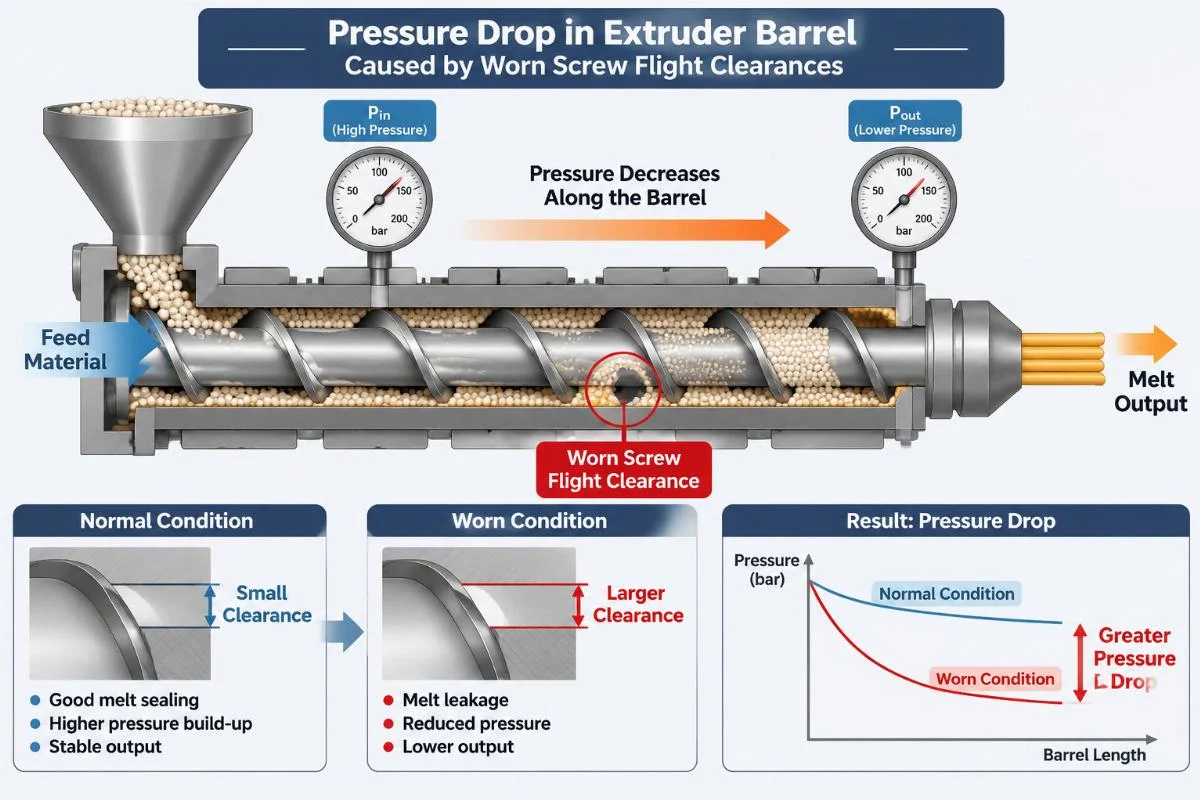
Always inspect the internal conveying and compression elements before assuming the die is at fault.
How to Match Spare Part Materials to Your Specific Recipe?
High-fat formulas and specific protein ratios require targeted stainless grades and optimized screw pitches to prevent clogging and ensure uniform expansion.
Matching fish feed line spare parts to your recipe goes beyond just hardness; it involves chemical compatibility and mechanical geometry. High-fat formulas, often used for premium carnivorous fish species, tend to stick and clog if the barrel lining lacks the correct surface finish or if the stainless grade reacts with the lipids. Furthermore, the screw pitch must be optimized for the specific protein ratio to ensure proper residence time and expansion.
This is where formula-based consultation becomes critical. For instance, when dealing with high-moisture sinking feed, the barrel lining wear directly impacts temperature stability and the specific mechanical energy ratio. If the lining degrades, the friction profile changes, ruining the sinking characteristics of the pellet.
| Recipe Characteristic | Required Material / Geometry | Failure Symptom if Mismatched |
|---|---|---|
| High-Fat / High-Lipid | Specific polished stainless grades | Clogging, lipid separation, die blockage |
| High-Protein / Low-Fat | High-wear resistant alloy, tight pitch | Incomplete cooking, poor floatation |
| High-Moisture Sinking | Precision-machined barrel lining | Temperature fluctuation, loss of sink rate |
At Meiteng, we approach twin screw extruder spare parts with this exact philosophy. We do not just ship metal; we analyze your formula. Our custom alloy options and formula-based spare part consultation ensure that the metallurgy of the screws and barrels perfectly aligns with your specific lipid and protein ratios. Whether you are producing floating feed for tilapia or sinking pellets for shrimp, the geometry and material of the fish feed line spare parts are tailored to your exact operational reality..
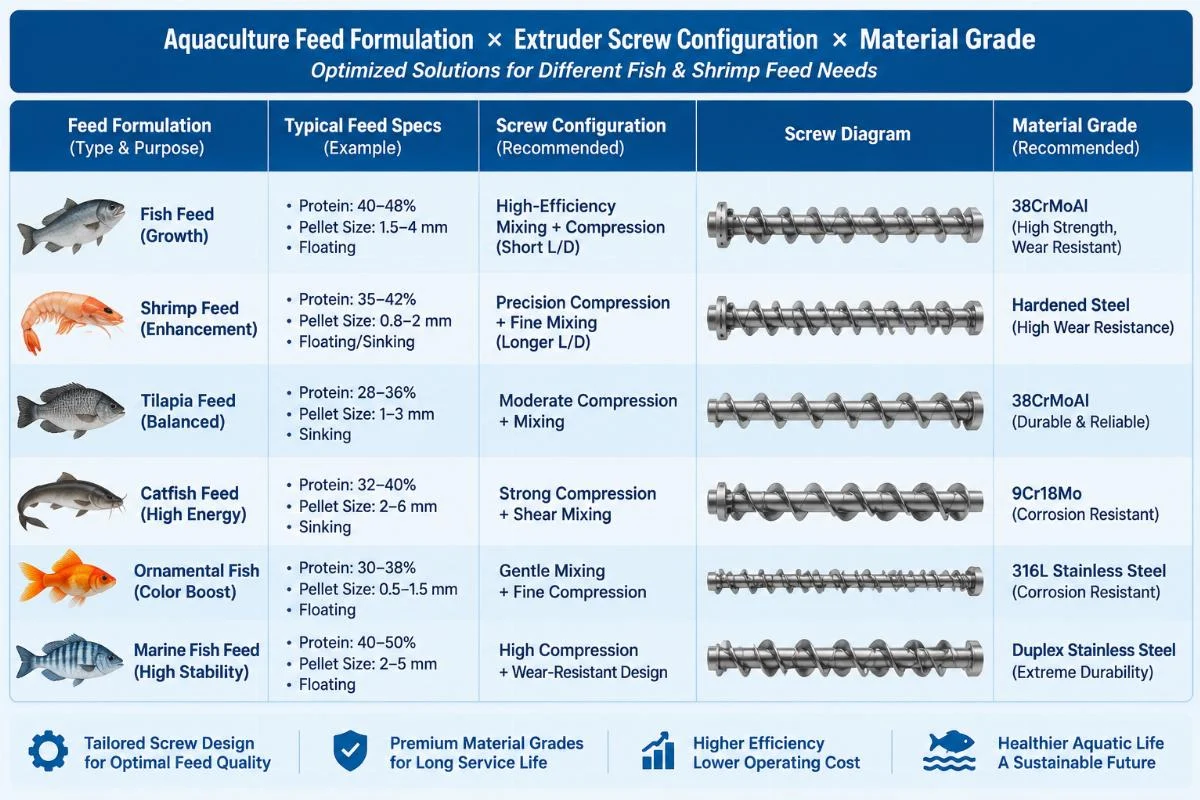
Your spare parts should be as customized as your feed formula.
What Preventive Maintenance Schedule Extends Spare Part Life?
Regular clearance checks and systematic rotation of twin-screw elements effectively double the functional lifespan of your extruder components.
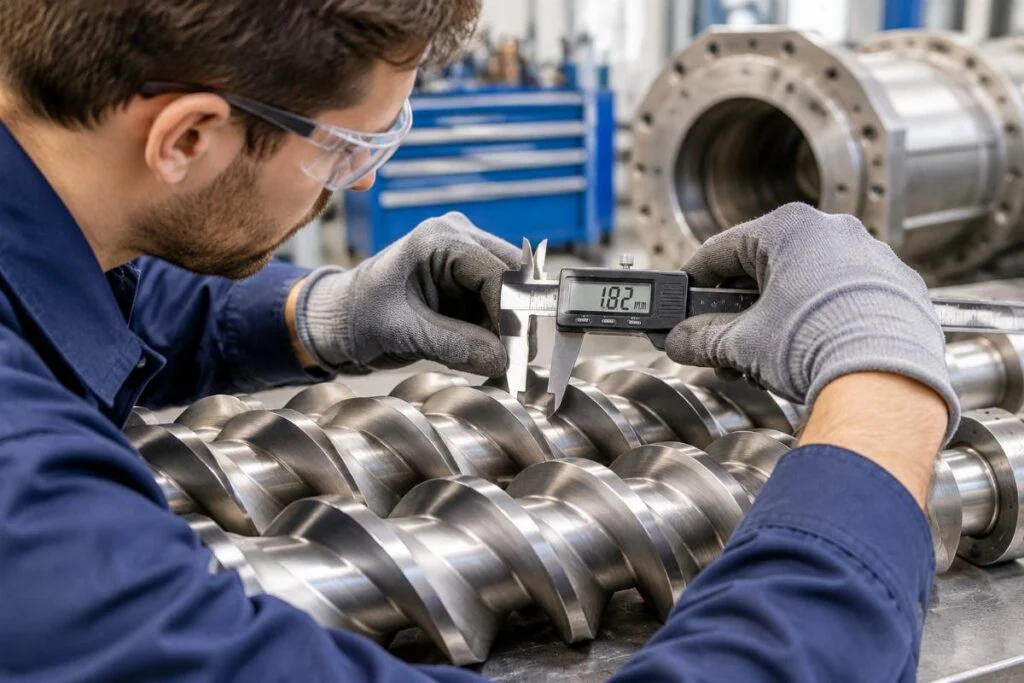
Even the best custom alloys will fail prematurely if subjected to poor maintenance practices. The key to maximizing the life of your fish feed line spare parts lies in a rigorous preventive maintenance schedule. It is not enough to wait for a catastrophic failure or a visible drop in output. You must proactively measure the wear.
For twin screw extruder spare parts, the intermeshing clearance is the most critical metric. Over time, abrasive ingredients like bone meal or high-silica plant proteins will gradually erode the flight edges. By implementing a strict measurement protocol, you can rotate or reposition screw elements to utilize unworn sections, ensuring consistent product quality before a full replacement is necessary.
| Maintenance Action | Frequency | Target Metric | Outcome |
|---|---|---|---|
| Visual Inspection | Every shift | Surface pitting, scoring | Early anomaly detection |
| Clearance Measurement | Weekly / Bi-weekly | Flight-to-barrel gap | Prevent pressure loss |
| Element Rotation | Monthly | Wear distribution | Substantially extended life |
| Full Teardown & Audit | Quarterly | Comprehensive wear map | Accurate replacement planning |
A Middle East aquaculture cooperative implemented a strict weekly clearance check protocol for their entire fleet of extruders. By mapping the wear patterns and rotating the fish feed machine wear parts strategically, they avoided unexpected line halts and extended the service life of their most expensive components significantly..
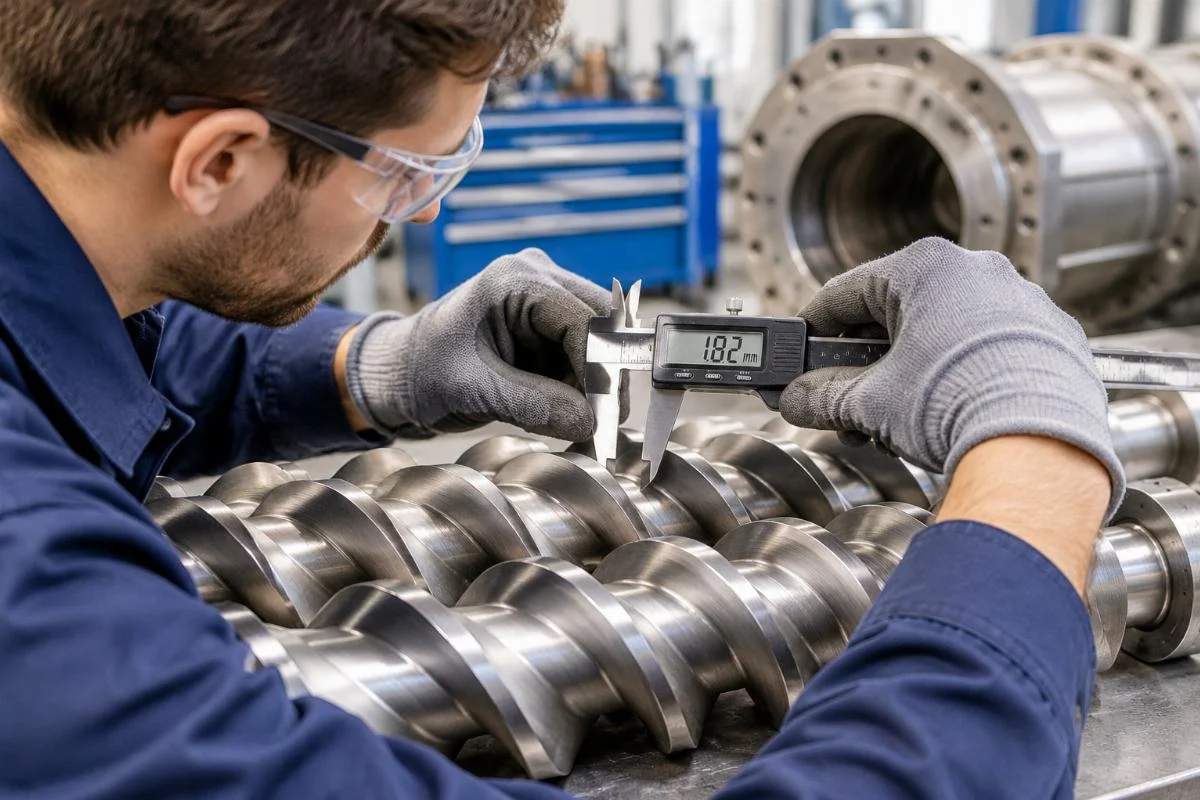
Proactive measurement transforms unpredictable breakdowns into planned, efficient maintenance windows.
Conclusion
Matching material grades to local raw materials is the only reliable way to secure your extrusion capacity. Stop ordering blind replacements based on model numbers and start treating your fish feed line spare parts as dynamic components that must evolve with your specific feed formulas and local ingredient abrasiveness.