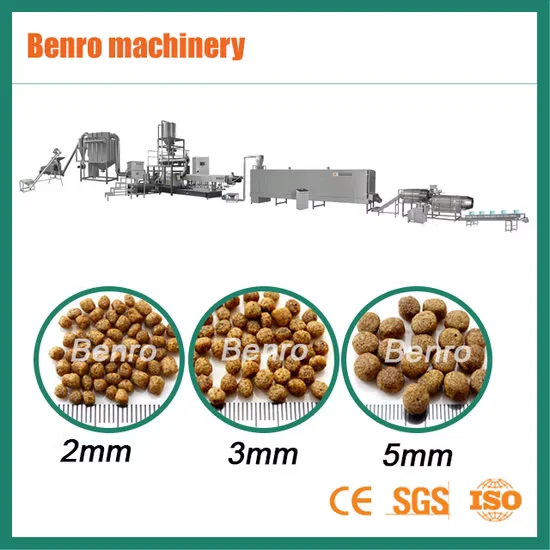
Fish Feed Technical Article
Egyptian Tilapia Fish Feed Extrusion Line Manufacturer DS70 DS95 Bulk

Bigger extruders do not guarantee better yields; precise screw configurations and climate-adapted drying dictate pellet survival.
A reliable fish feed line for Egyptian tilapia farms demands exact capacity scaling, multi-layer drying to combat high humidity, and flawless HS code documentation to prevent port seizures.
I still remember the sweltering heat at the port of Santos, staring at a container holding an alloy die head for a DS95 tilapia feed extruder. It was stuck in customs for weeks because of a mismatched HS code. The Brazilian client’s tilapia fry were starving, and the daily emails were brutal. That was the day I realized that buying a floating fish feed production line Egypt buyers rely on is never just about the machine specs. It is about the paperwork, the local climate adaptation, and the hidden bottlenecks that ruin pellets before they even reach the pond. When evaluating a fish feed line for Egyptian tilapia farms, you must look past the brochure horsepower and focus on the mechanical energy input, water activity targets, and customs clearance realities.

Let us break down the actual engineering and logistical factors that make or break a commercial aquaculture setup in the MENA region.
What Extruder Specs Matter Most for Tilapia?
The secret to optimal floating or sinking density lies in the screw L/D ratio and specific mechanical energy, not just the motor size.
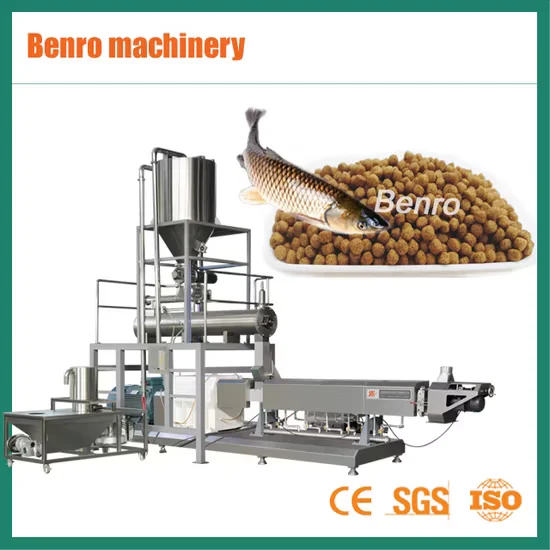
Many buyers assume that upgrading to the largest available tilapia feed extruder machine will solve their production woes. This is a costly misconception. The true metric is how well the screw configuration matches the specific tilapia formula density. A DS70 tilapia feed extruder might actually outperform a larger model if the screw L/D ratio is perfectly tuned for your specific protein and starch blend.
When formulating for Egyptian tilapia, the specific mechanical energy applied during extrusion determines the starch gelatinization level, which directly controls the pellet’s expansion and buoyancy. If the shear force is too low, the pellets sink when they should float; if it is too high, you burn the amino acids.
| Configuration Factor | DS70 Twin-Screw Setup | DS95 Twin-Screw Setup |
|---|---|---|
| Capacity Scaling | Ideal for medium-scale regional hubs | Built for large commercial expansion |
| Screw L/D Ratio | Standardized for high-starch gelatinization | Extended length for precise density control |
| Mechanical Energy | Controlled infusion for stable floating | High-torque output for complex sinking formulas |
| Material Build | Food-grade 304 stainless steel | Food-grade 304 stainless steel |
A Middle East aquaculture cooperative once tried to force a high-fiber sinking diet through a standard floating configuration. The result was a massive waste of raw materials and inconsistent water stability. By switching to a DS95 tilapia feed extruder with a reconfigured screw profile, they achieved the required bulk density without altering the core formula.
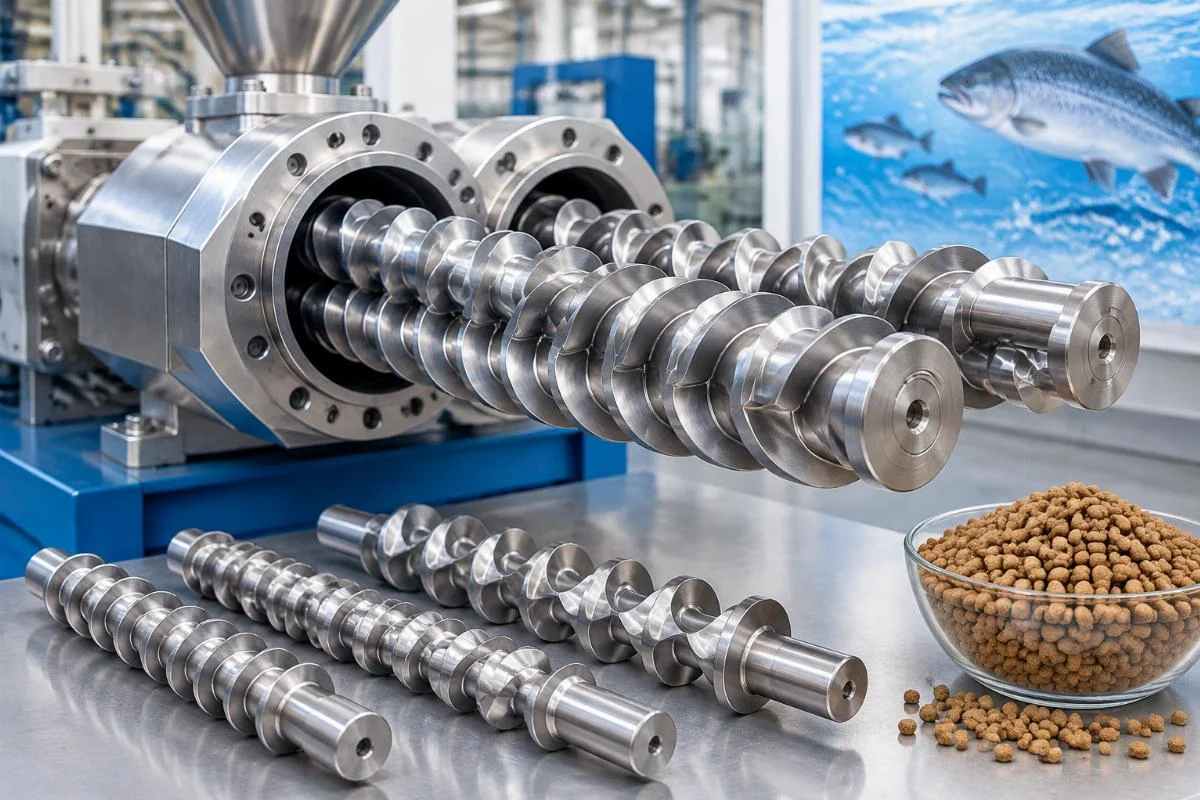
Whether you choose the DS70 or the DS95, the 304 stainless steel construction is non-negotiable for meeting international aquaculture feed standards. The machine must handle the corrosive nature of mineral premixes while maintaining sanitary conditions.
How Does Egypt’s Climate Affect Drying?
Dryer and cooler efficiency dictates the final pellet shelf life, making it the most critical component in humid environments.
Most buyers focus entirely on the extruder price, ignoring the drying section. In Egypt and the broader MENA region, ambient humidity and temperature fluctuations are the silent killers of feed quality. If the pellet water activity is not reduced to safe targets immediately after extrusion, mold and bacterial growth will ruin the batch inside the bags.
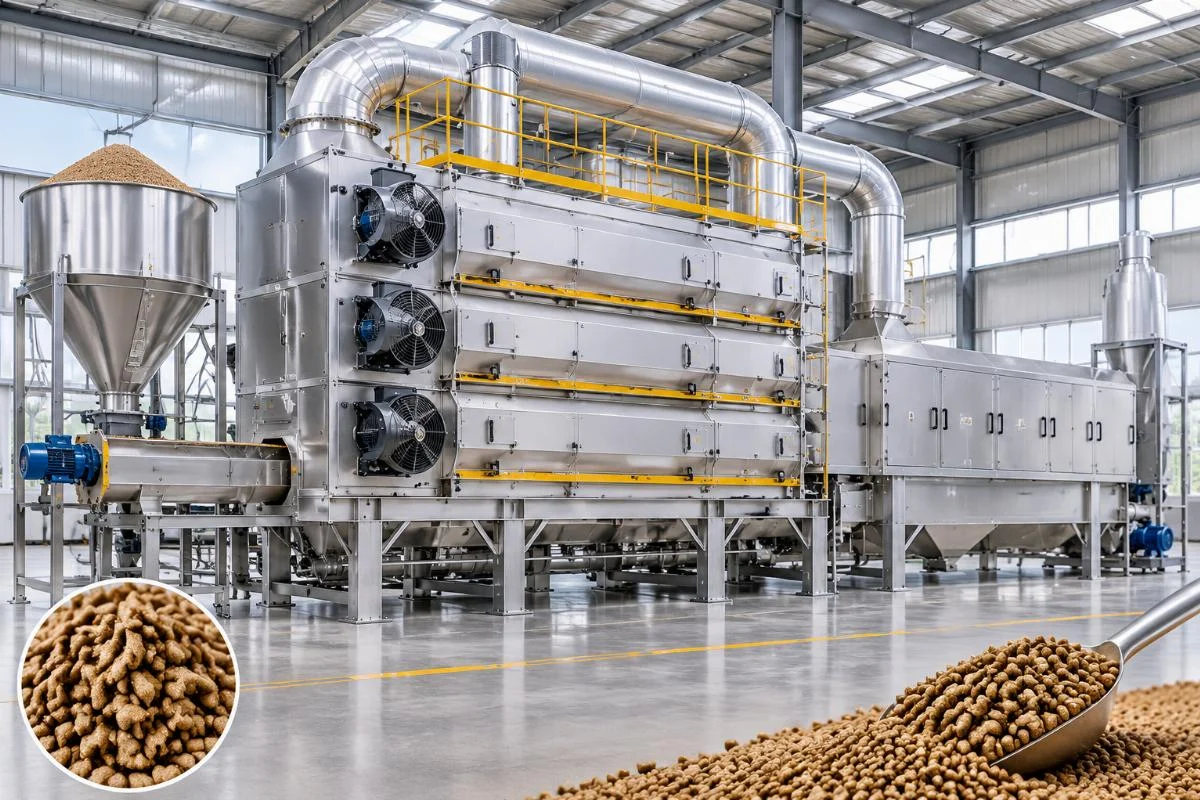
A standard single-pass dryer simply cannot handle the moisture load of a high-capacity floating fish feed production line Egypt operations require. You need a multi-layer drying system that controls both residence time and thermal efficiency. The goal is to pull moisture out of the pellet core without cracking the exterior shell.
- Thermal Efficiency: Multi-layer dryers recycle hot air, reducing energy consumption while maintaining a steady drying curve.
- Residence Time: Adjustable discharge valves ensure every pellet spends the exact necessary time in the drying chamber.
- Cooling Integration: Counter-flow coolers bring the pellet temperature down to ambient levels, preventing condensation inside the packaging.
Ignoring the thermal efficiency calculations means your pellets will arrive at the farm with a high moisture content, leading to rapid spoilage. A North African feed mill once reported severe mold issues during the summer months. The root cause was not the extruder, but an undersized cooler that failed to drop the pellet temperature sufficiently before bagging, trapping residual heat and moisture.
Why Do Turnkey Details Prevent Port Delays?
Accurate HS codes and complete CE/ISO documentation clear customs weeks faster than any expedited shipping service.
This is where my background in port documentation comes into play. I have seen entire fish feed line for Egyptian tilapia farms shipments held at Alexandria or Damietta ports because a single spare part was misclassified. Customs authorities in Egypt are strict about import regulations for industrial machinery. If the HS code for the extruder barrel does not perfectly align with the declaration for the spare parts, the entire container gets flagged for inspection.
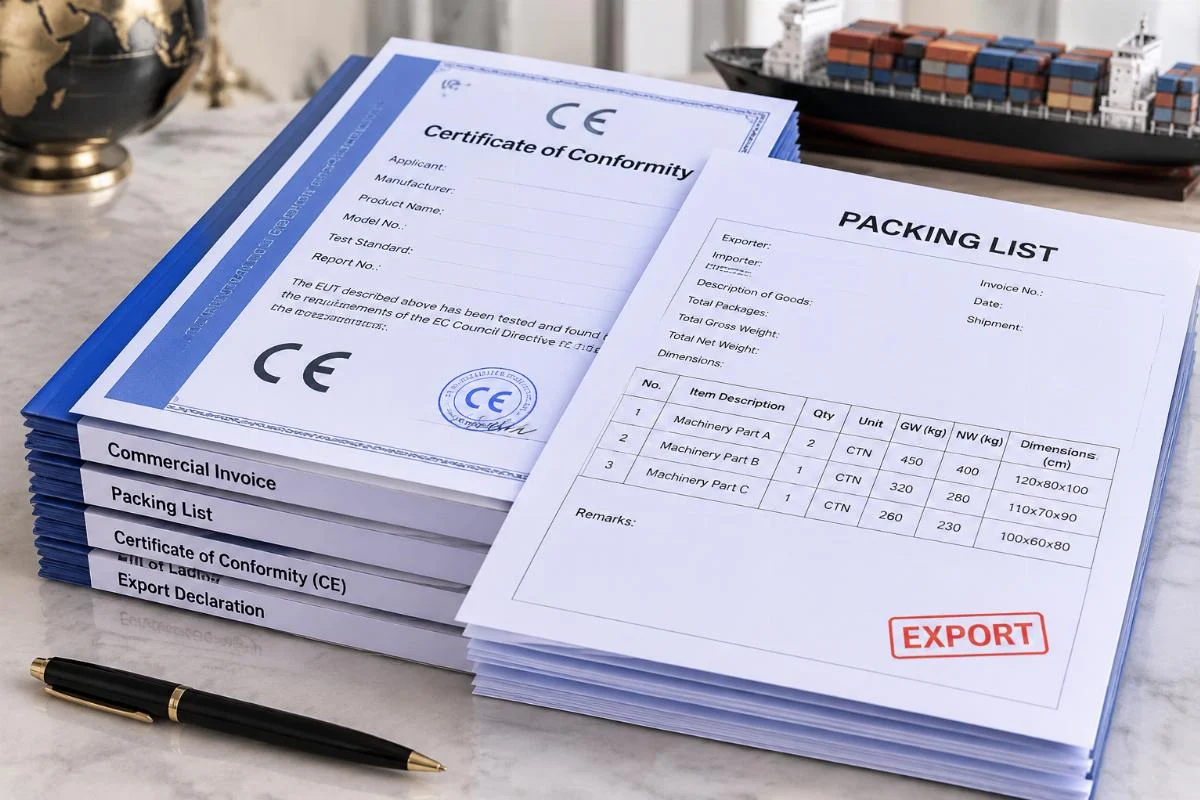
When sourcing a tilapia feed extruder machine, the supplier must provide a comprehensive turnkey documentation package. This includes:
- Precise HS Code Alignment: Every component, from the main motor to the alloy die heads, must have a correctly mapped customs code.
- Certification Verification: CE and ISO 9001 certificates must be original, verifiable, and match the exact machine serial numbers.
- Packing Lists: Detailed, itemized lists that match the physical loading plan to the gram.
A buyer in the Levant region recently faced a mid-six-figure loss in delayed production because a batch of conditioning drums was declared under a generic “steel pipe” code instead of the specific machinery part code. The port authorities impounded the gear for weeks. By working with a manufacturer that handles container-load consolidation and export documentation internally, you eliminate this risk. The turnkey engineering must include the paperwork engineering.
Which Line Layout Maximizes Factory Space?
Integrated cooling and coating systems reduce the factory footprint and lower long-term labor costs.
Space in industrial zones is expensive, and a poorly laid out floating fish feed production line Egypt facility will bleed money through inefficient material handling. The layout must follow a logical flow from raw material intake to packaging, minimizing the distance pellets travel between stages.
Modern turnkey designs integrate the flavor coating and drying systems into a single vertical or compact horizontal footprint. This reduces the need for multiple transfer conveyors, which are not only space hogs but also points of pellet degradation. Every drop generates fines, and fines are wasted money.
- Raw Material Section: Silos and hammer mills positioned for easy truck unloading.
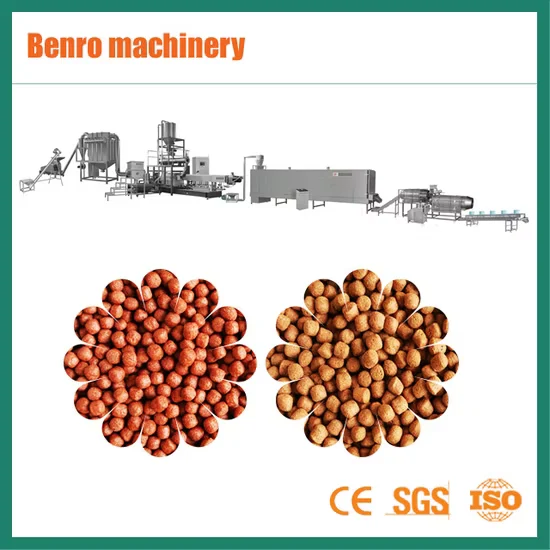
- Extrusion Core: The DS70 or DS95 tilapia feed extruder placed centrally with direct access to maintenance walkways.
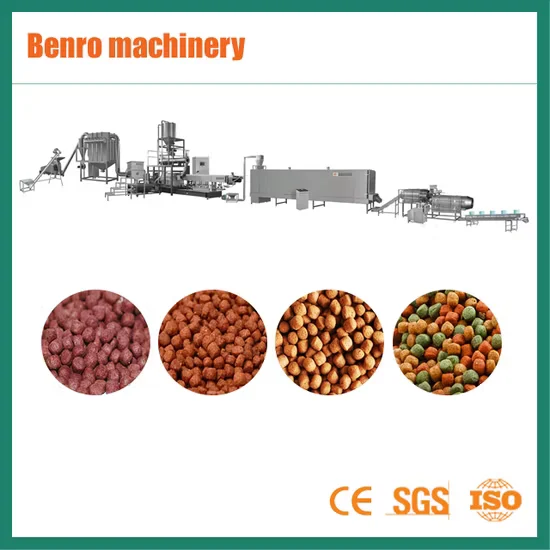
- Post-Extrusion: Multi-layer dryers stacked or aligned directly with the coating drums and cooling bins.
By optimizing the line layout, you also reduce the labor required to move materials manually. Automation in the dosing and coating precision ensures that every pellet receives the exact same nutrient and palatability treatment, which is crucial for competitive aquaculture feed markets.

Conclusion
Selecting the right equipment requires balancing mechanical precision with logistical reality.
A successful fish feed line for Egyptian tilapia farms is built on the foundation of exact screw configurations for density control, multi-layer drying to defeat the local climate, and flawless customs documentation to ensure timely arrival. Do not let the allure of massive extruder horsepower blind you to the critical details of water activity management and port clearance. When the DS70 and DS95 twin-screw extruders are paired with a true turnkey approach, your tilapia feed will hit the water exactly when the fry need it.