Fish Feed Technical Article
Twin-Screw Catfish Feed Extruder Manufacturer for Nigeria Aquaculture
Machine quality is merely the baseline; flawless export documentation and localized operational support are the true drivers of successful catfish feed extrusion Nigeria.
To achieve profitable aquaculture feed production in West Africa, producers must integrate high-gelatinization twin-screw extrusion technology with rigorous customs compliance and turnkey installation to bypass port delays and stabilize processing against local grid fluctuations.
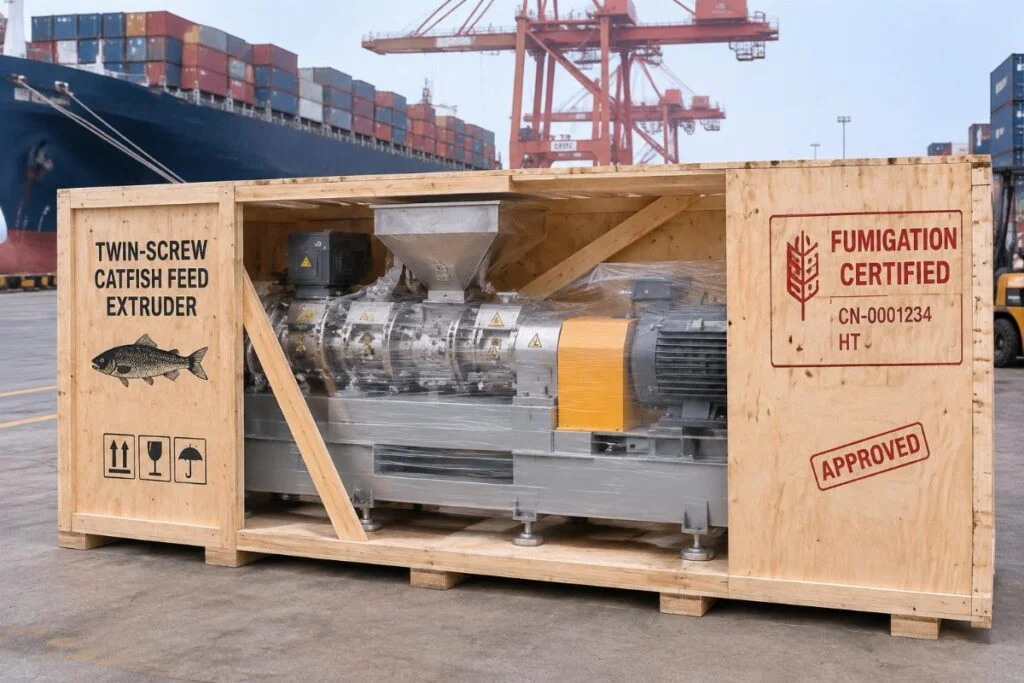
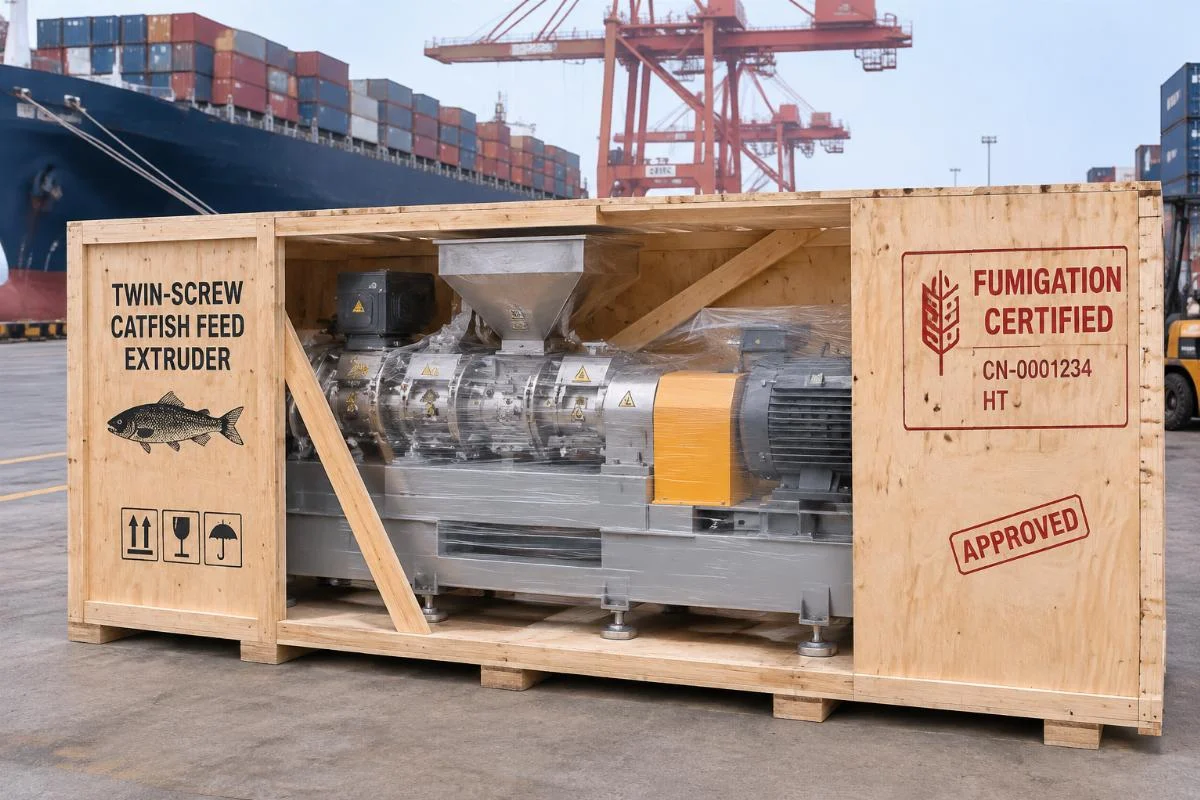
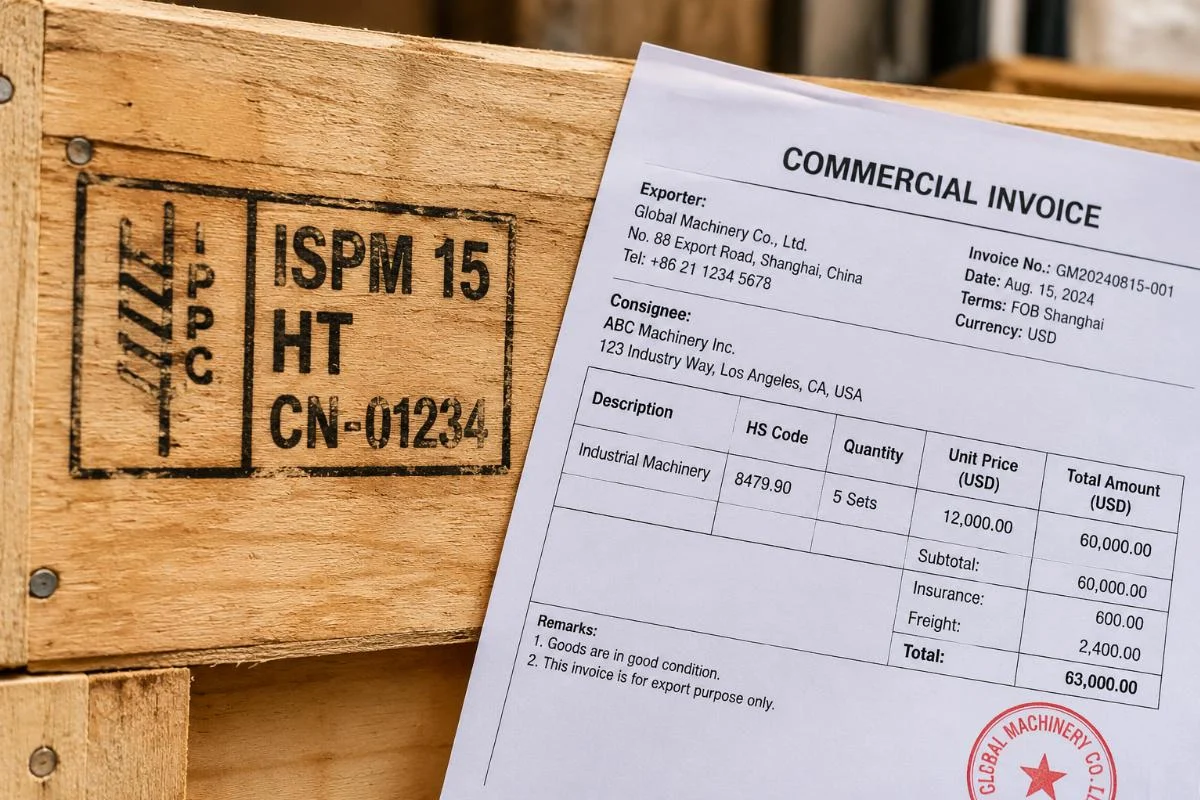
I still remember the bitter taste of a mid-six-figure loss from a single shipment to Apapa port. Years ago, while overseeing container loading in Ningbo, I arranged the export of a heavy-duty twin-screw extruder to Lagos. The machine itself was a masterpiece of engineering, but I treated the paperwork as an afterthought. The HS code on the commercial invoice didn’t perfectly align with the machine’s actual structural classification, and the wooden crates lacked proper fumigation stamps. The result? The equipment was死死扣住 (firmly detained) at customs for weeks. The client’s catfish fry were waiting for feed, and we had to air-freight the core screws and fly engineers out at a cost that wiped out the entire profit margin. That specific failure reshaped my entire approach to catfish feed extrusion Nigeria projects. Today, I verify every character of the customs declaration and packing list.
Moving from port logistics to the factory floor, the lessons learned from those early mistakes directly inform how we approach aquaculture feed production line West Africa deployments today.
Why is twin-screw extrusion vital for Nigerian catfish feed?
Superior gelatinization ensures high floating rates, which is non-negotiable for catfish feeding efficiency.
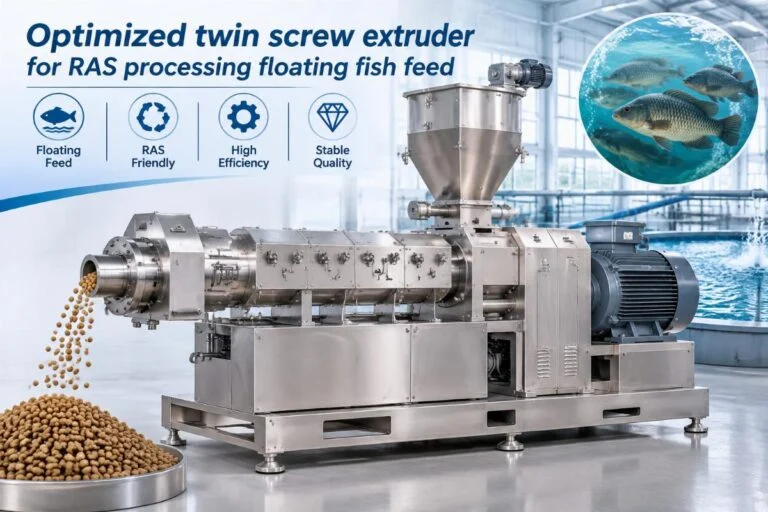
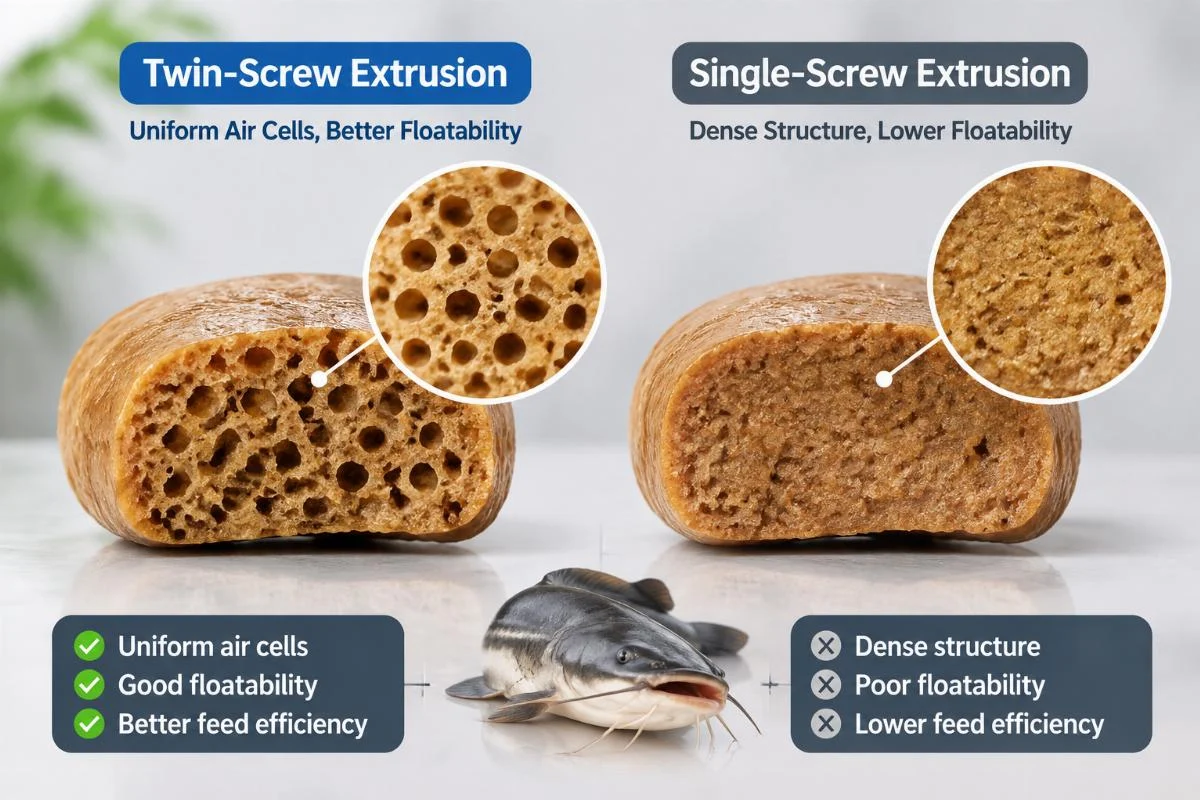
Catfish are surface to mid-water feeders, meaning the physical behavior of the pellet in the water dictates feed conversion ratios. Single-screw machines often struggle to achieve the uniform starch gelatinization required for stable buoyancy. Twin-screw technology, however, provides intense shear and precise thermal control, ensuring the starch matrix fully expands and sets upon exiting the die.
In my observations across West African feed mills, the transition from single to twin-screw systems consistently resolves the issue of sinking pellets. When the degree of gelatinization is optimized, the cellular structure of the feed traps air uniformly, allowing the pellet to float for extended periods. This reduces nutrient leaching into the water and prevents the anaerobic degradation of pond bottoms.
Furthermore, the flexibility of a twin-screw fish feed extruder Nigeria setup allows producers to experiment with varying protein sources. Local ingredient availability can be volatile; a robust twin-screw system can adapt to higher levels of alternative plant proteins or local fish meal blends without compromising the physical integrity of the pellet.
How to size your aquaculture feed production line?
Match 200-2000kg/h capacity with local market demand to avoid capital trap.
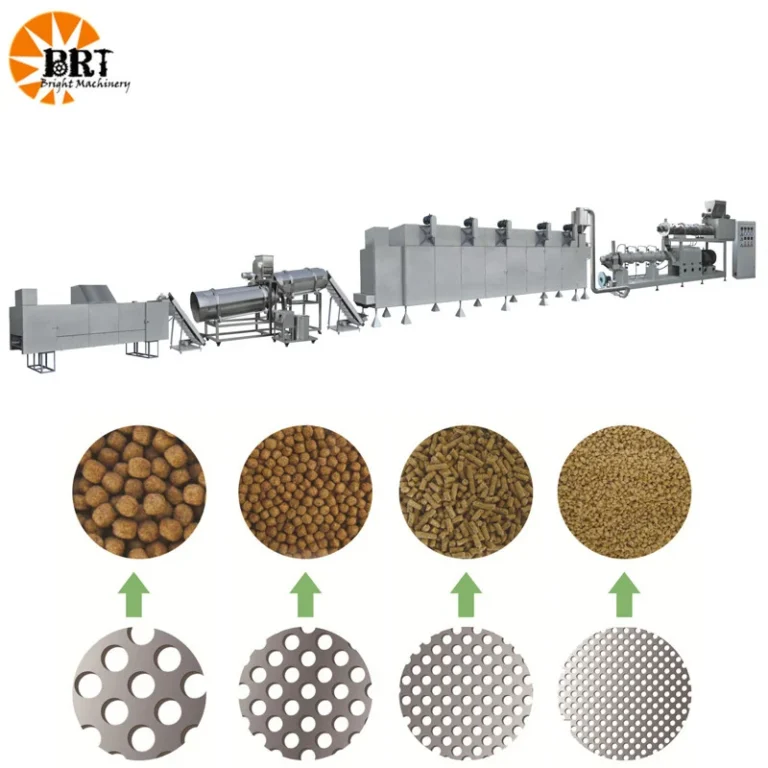
Sizing an aquaculture feed production line West Africa requires balancing initial capital expenditure against the reality of local market absorption rates. Many startups make the mistake of over-investing in massive capacity, only to run the line at a fraction of its potential, destroying unit economics. Conversely, undersizing leads to missed market windows during peak farming seasons.
For emerging producers, a capacity range between 200kg/h and 2000kg/h is typically the sweet spot. This scale allows for manageable batch mixing, reasonable drying times, and the ability to pivot between different pellet sizes for various catfish growth stages. Meiteng’s DS-series twin-screw extruders are specifically engineered to cover this exact spectrum, offering models like the DS65 and DS70 that provide the necessary torque for high-protein fish feed without the energy overhead of industrial-scale mega-plants.
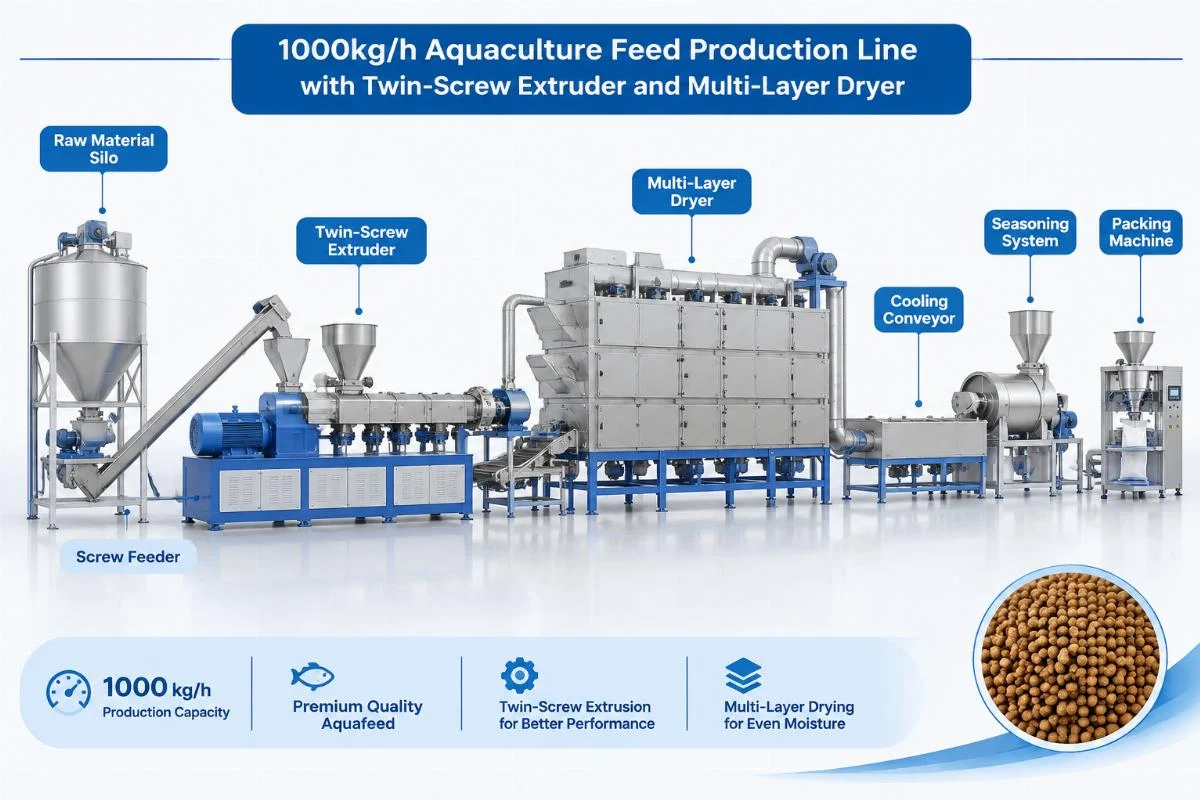
When sizing the line, the drying system is often the bottleneck. Extrusion is only half the process; reducing the moisture content from the extruder down to safe storage levels requires a multi-pass drying system. If the dryer is undersized relative to the extruder, the extruder must be throttled down, creating a massive inefficiency.
A regional feed cooperative in West Africa initially planned a massive line but opted for a modular 1000kg/h setup instead. This allowed them to secure local contracts without the burden of maintaining a massive inventory of finished goods, proving that right-sizing is a financial strategy, not just a technical one.
What export compliance prevents Lagos port delays?
Exact HS codes and wood fumigation are non-negotiable for clearing Apapa and Tincan ports.
This is where the majority of catfish feed extrusion Nigeria projects face their greatest existential threat. The physical machine is useless if it rots on the dock. The most common pitfalls are misclassified HS codes and inadequate wood packaging treatment.
Customs authorities in Nigeria are highly stringent regarding industrial imports. If the HS code on the Bill of Lading and the SONCAP (Standards Organisation of Nigeria Conformity Assessment Program) certificate does not perfectly match the physical description and functional classification of the twin-screw extruder, the cargo will be flagged for physical inspection. This leads to demurrage charges that accumulate daily, often costing several times the original ocean freight savings.
Wood packaging is another critical failure point. Every wooden crate, pallet, and support beam must be ISPM 15 compliant and bear the visible wheat-ear stamp. I have seen entire containers held up because a single internal wooden brace was missed during fumigation. The cost of re-fumigating or destroying the packaging at the port far exceeds the initial cost of proper treatment at the origin factory.
To mitigate this, we now treat export documentation with the same rigor as mechanical design. Every component is mapped to its correct tariff line, and all wood materials are pre-treated and photographed before container sealing. This proactive approach ensures that the twin-screw fish feed extruder Nigeria delivery transitions smoothly from the vessel to the client’s facility.
How does turnkey support ensure stable operation?
On-site training and formula adaptation solve local power and ingredient issues.
Shipping the equipment is only the beginning; making it run consistently in a challenging local environment is the real test. West African aquaculture facilities often face significant power instability, with voltage fluctuations that can trip sensitive inverters and disrupt the precise temperature control required for catfish feed extrusion Nigeria.
A turnkey installation approach addresses these realities on the ground. It is not just about bolting the machine down; it is about adapting the entire system to the local grid. This includes installing voltage stabilizers, configuring soft-start panels for heavy motors, and adjusting the extruder’s thermal profiles to compensate for ambient temperature and humidity variations.
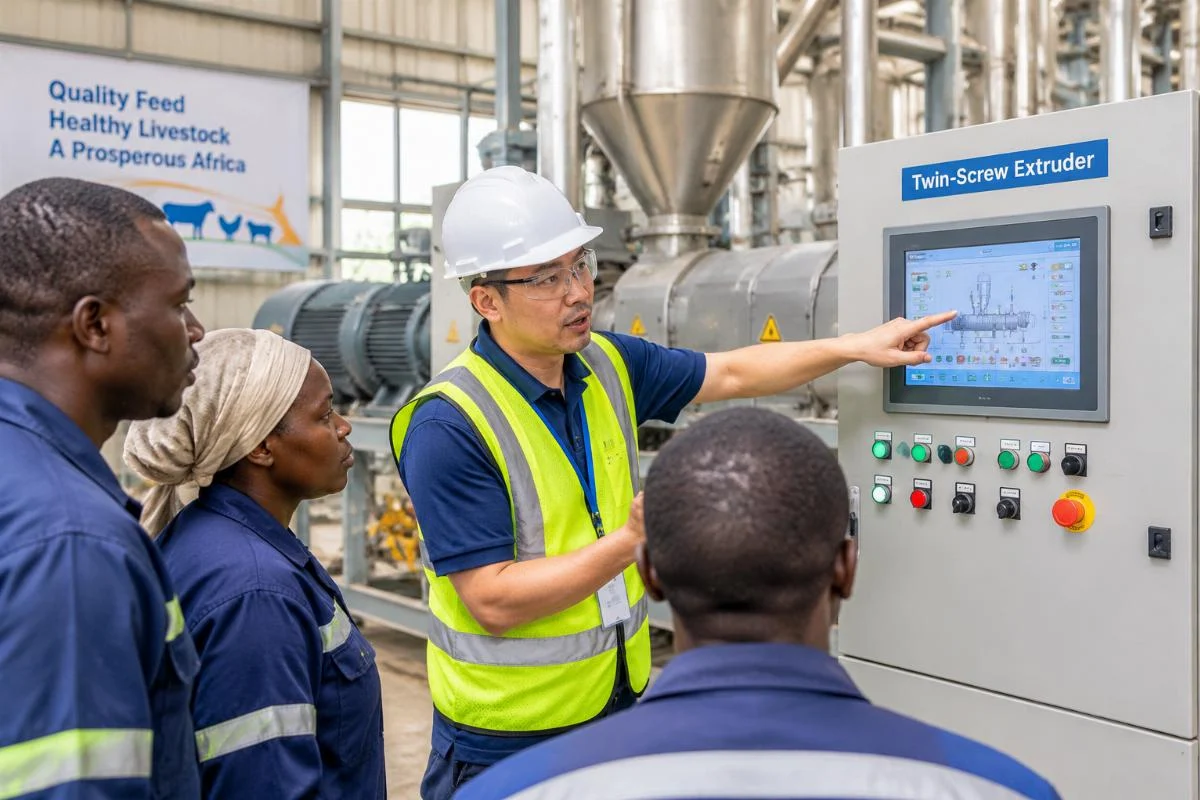
Furthermore, local raw material profiles differ vastly from European or Asian baselines. The protein content of locally sourced soy or the starch characteristics of regional cassava blends require specific screw configurations and barrel temperature settings. Meiteng’s turnkey installation with operator training includes on-site formula adaptation. Our engineers work directly with the local production team to tweak the DS-series parameters, ensuring that the final pellet meets the floating and nutritional standards required by local catfish farmers.
Empowering the local team is equally critical. Comprehensive operator training ensures that the staff can perform routine maintenance, recognize early signs of screw wear, and adjust the cut-face speed to maintain pellet length consistency. This knowledge transfer transforms a foreign machine into a reliable local asset.
Conclusion
Profitable aquaculture feed production in West Africa hinges on the seamless integration of mechanical precision, rigorous customs compliance, and localized operational adaptation.
Successful catfish feed extrusion Nigeria requires more than just importing a high-quality twin-screw fish feed extruder; it demands a holistic approach that respects the complexities of port logistics and local infrastructure. By prioritizing exact export documentation, right-sizing the aquaculture feed production line West Africa, and investing in comprehensive turnkey support, producers can bypass costly delays and build a resilient, high-yield feed manufacturing operation.