Fish Feed Technical Article
Salmon Feed Extrusion: High-Fat Pellets for Norway and Chile Manufacturer
More oil in the recipe does not mean better nutrition; unemulsified surface oil ruins pellet durability and destroys water stability.
Successfully extruding high-fat salmon feed requires specialized twin-screw configurations and precise lipid injection to prevent die-clogging and ensure pellet stability in cold waters, turning a nutritional advantage into a manufacturing reality.
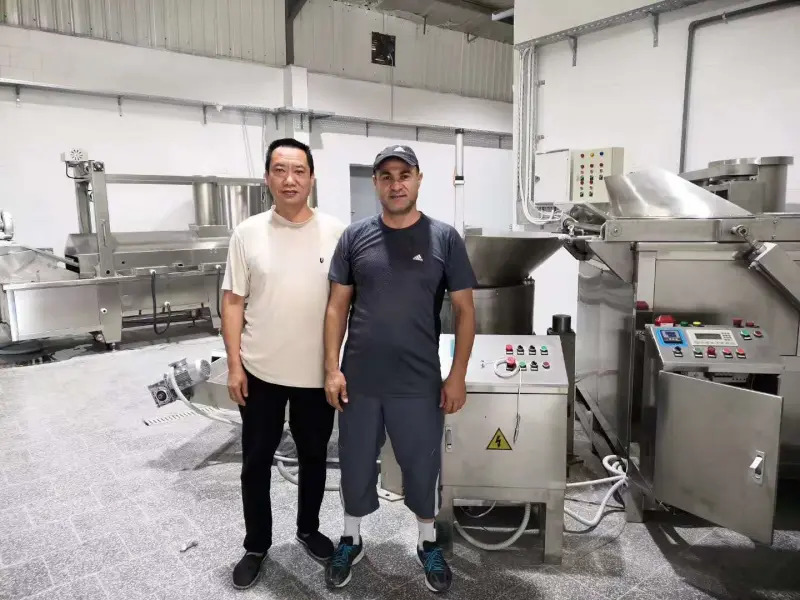
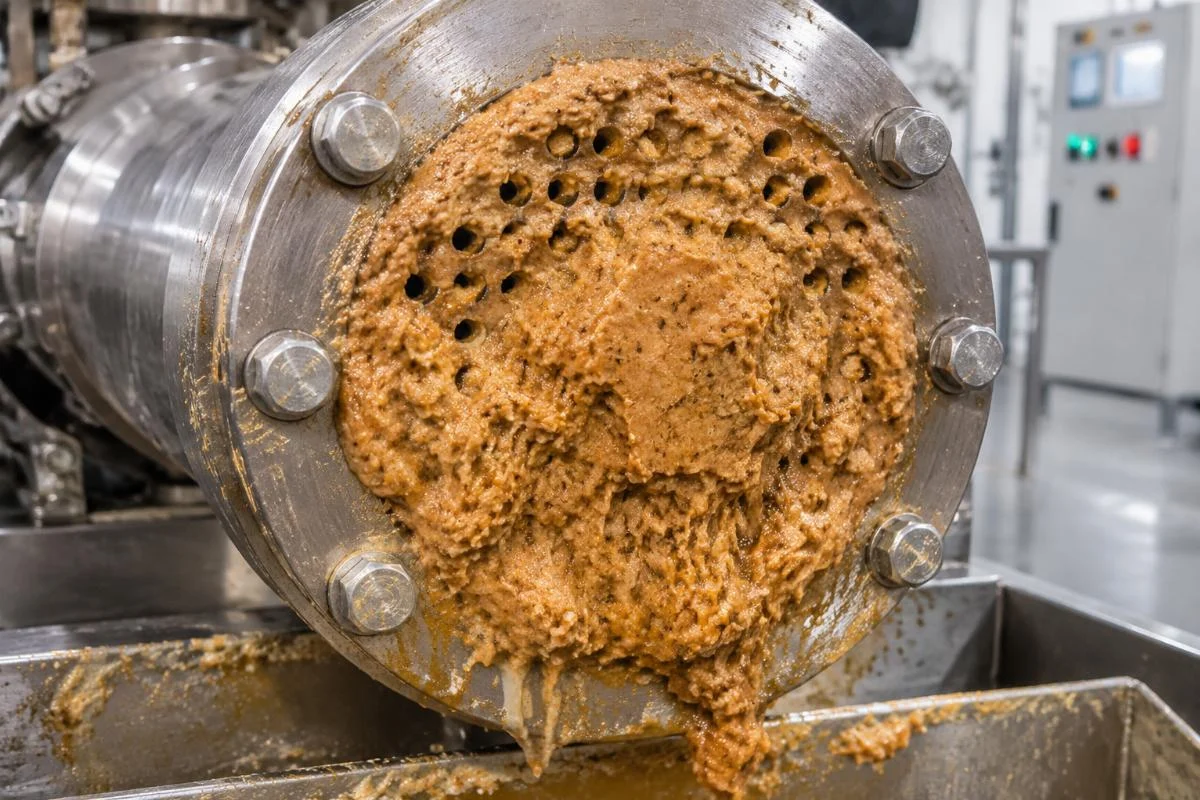
Years ago, before settling into sales roles in Foshan, I spent extensive time on-site installing and commissioning equipment overseas. I remember flying down to Chile to help a client debug their salmon feed extrusion line. They had formulated a diet with a remarkably high proportion of fish oil. The moment we fired up the twin-screw machine, the die holes were instantly smeared and clogged with grease. The pellets disintegrated into powder before they even hit the cooling belt, and the entire line was paralyzed for two full days. That grueling experience made it crystal clear: when processing high-lipid aquafeed, the lipid penetration rate and the screw combination must be obsessively matched. Now, when I talk to producers in Norway and Chile, I always start by showing them the video of that clogged die, and then we break down the mechanics of why it happened.
Transitioning from a catastrophic startup to a stable commercial run requires understanding the mechanical forces at play, which brings us to the core challenges of processing these demanding diets.
Why Do High-Fat Salmon Diets Clog Standard Extruders?
Surface oil smearing occurs when the shear force generated inside the barrel is insufficient to emulsify lipids into the dough matrix.
When producers attempt to boost the energy density of their feed, they often increase the inclusion of marine oils. However, most standard single-screw setups simply cannot handle this rheological shift. The dough behaves more like a lubricated slurry than a cohesive mass. Instead of being pushed forward, the material slips against the barrel walls, and the free oil migrates to the surface. By the time the mass reaches the die, the excess lipid acts as a barrier, preventing proper starch gelatinization and causing the extrudate to stick to the die face. This phenomenon is widely recognized in aquaculture nutrition literature as a primary cause of extrusion instability in high-lipid formulations.
During my time in Chile, the client initially blamed the die plate, assuming the holes were too small or the land length was incorrect. The reality was that the improper screw element arrangement failed to build the necessary shear for high-fat dough. The material simply lacked the internal friction required to generate the thermal and mechanical energy needed to bind the fat. We had to completely rethink how the ingredients interacted under pressure, realizing that the problem was rooted in the shear profile rather than the exit geometry.

Understanding this mechanical failure is the first step toward designing a system that can handle the unique rheology of lipid-rich aquafeed.
How Does Screw Configuration Solve Lipid Integration?
Optimized twin-screw element combinations generate the exact shear needed to bind fat without leaking, ensuring a homogeneous dough.
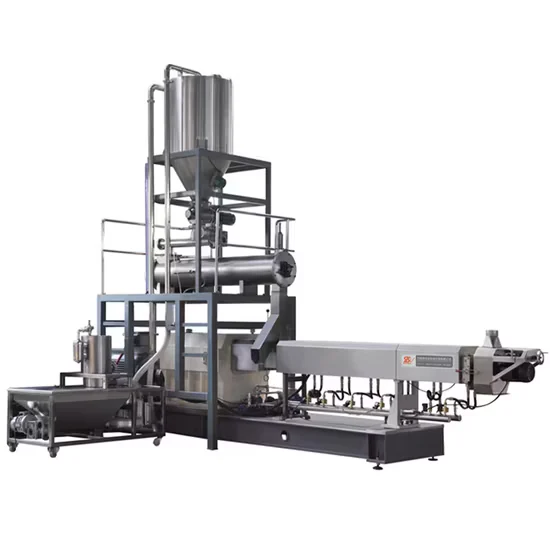
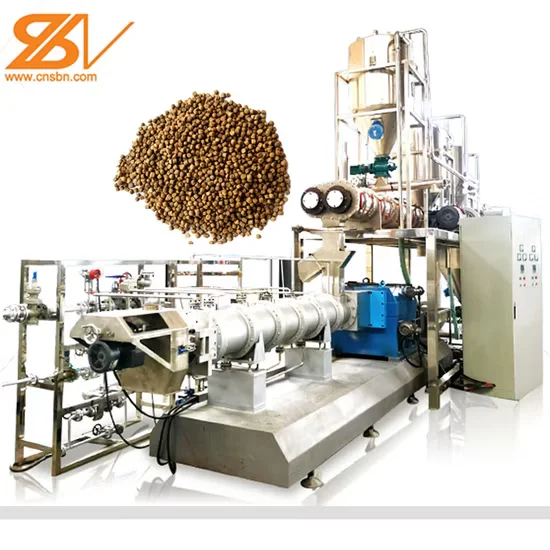
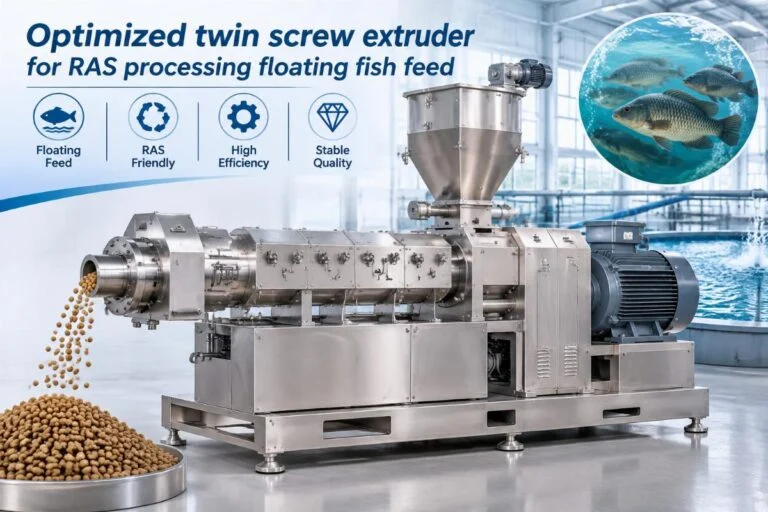
The transition to a twin-screw setup, specifically the DS-series configurations we design at Meiteng, allows for a modular approach to shear management. Unlike single-screw machines, twin-screw extruders provide positive conveying and intense mixing capabilities. By strategically arranging kneading blocks and reverse-threaded elements, we can create localized zones of high specific mechanical energy. These zones are critical for breaking down the lipid droplets and dispersing them evenly throughout the starch-protein matrix. This level of control is essential for maintaining pellet integrity, as documented in industry guidelines regarding twin-screw technology in aquafeed.
I often show my clients how adjusting the stagger angle of the kneading blocks changes the residence time and shear intensity. In a recent project for a Nordic producer, we utilized a custom screw design that introduced a late-stage lipid injection port. This allowed the dry ingredients to form a stable dough base before the oil was incorporated under high pressure. The result was a dramatic reduction in free surface oil and a massive improvement in die flow. The screw configuration essentially acts as a dynamic emulsifier, forcing the lipids into the molecular structure of the feed rather than letting them coat the outside.

This precise mechanical emulsification sets the stage for the next critical phase: ensuring the physical durability of the pellet once it enters the harsh marine environment.
What Ensures Pellet Stability in Cold Atlantic Waters?
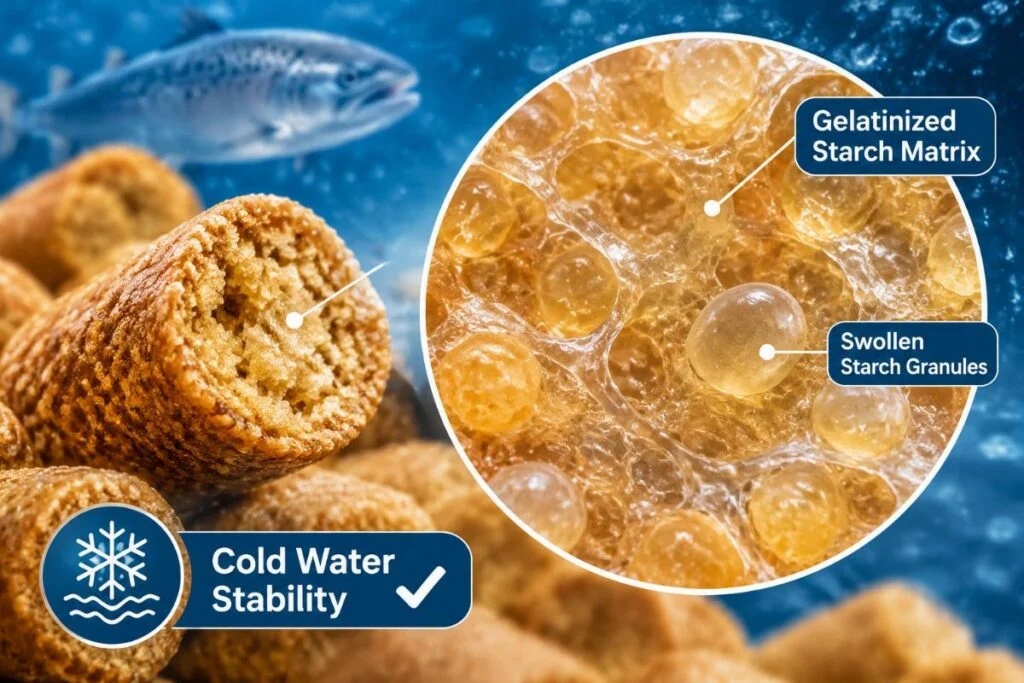
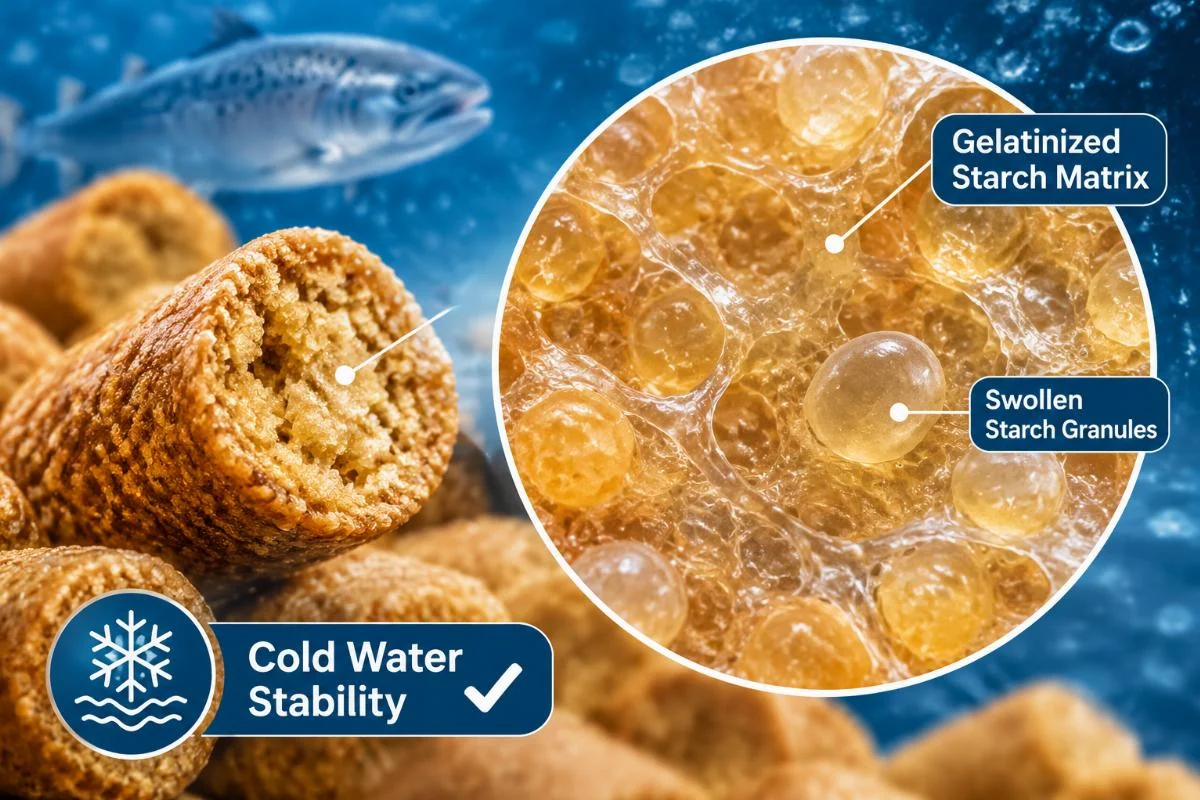
Precise temperature and moisture control during extrusion maximize starch gelatinization for water durability, preventing nutrient leaching in cold environments.
Salmon farming in the fjords of Norway and the coastal waters of Chile exposes feed to near-freezing temperatures. If the starch in the pellet is not fully gelatinized, the pellet will rapidly disintegrate upon contact with cold water, leading to massive nutrient loss and water quality degradation. The degree of gelatinization is directly tied to the thermal and moisture profile maintained during the extrusion process. Achieving this requires exact control over the barrel temperature zones and the injection of live steam. Industry standards emphasize the critical relationship between gelatinization degree and water stability for cold-water species.
In my field experience, I have seen producers sacrifice pellet durability by trying to push throughput too high, which reduces the residence time in the conditioning and extrusion zones. We had to implement a strict protocol where the moisture content and steam pressure were continuously monitored and adjusted in real-time. By ensuring the dough reached the necessary plasticizing temperature before hitting the die, we achieved a gelatinization level that kept the pellets intact for hours in the water column. This is not just about keeping the feed in one piece; it is about ensuring the fish actually consume the nutrients rather than watching them dissolve into the ocean.
Achieving this level of biological and mechanical stability on a pilot scale is one thing, but replicating it across a massive commercial operation requires a different level of engineering.
How to Scale Production from Pilot to Full Commercial Lines?
Turnkey line integration ensures consistent drying and coating without breaking the pellet structure, bridging the gap between formulation and mass production.
Scaling up from a test run to a full commercial salmon feed extrusion line introduces complex variables in drying, cooling, and fat coating. A pellet that is perfectly extruded can still be ruined if the drying curve is too aggressive, causing case hardening and internal cracking, or if the coating drum applies vacuum fat unevenly. The integration of the entire system—from the raw material intake to the final packaging—is where many projects fail. A comprehensive approach to line design ensures that the thermal history of the pellet is managed continuously, preserving the structural integrity developed in the extruder.
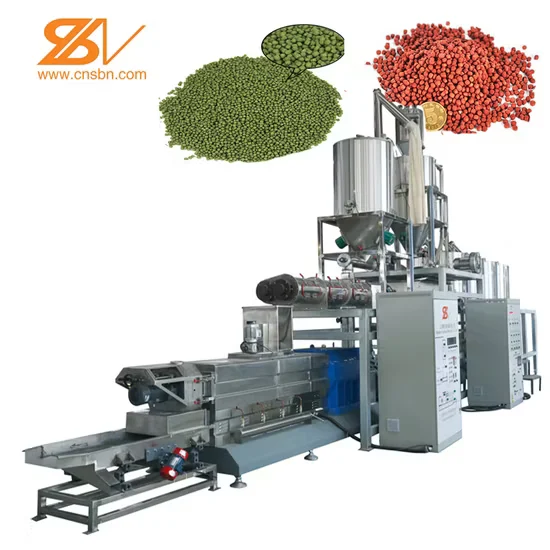
When we engineer a full line for our clients, we do not just sell the extruder; we design the downstream equipment to match its specific output characteristics. For a large-scale operation in South America, we integrated a multi-stage dryer with precise humidity and temperature zoning, followed by a vacuum coater that applied the final lipid layer without compromising the pellet’s outer shell. The on-site commissioning and operator training we provided ensured that the local team understood how to balance the entire system, not just the extruder itself. This holistic approach eliminates the bottlenecks that typically cause downtime and ensures that the high-fat pellets meet the exacting standards of the global salmon market.

Mastering the transition from raw ingredients to a stable, high-energy pellet requires a deep understanding of both the biological needs of the fish and the mechanical realities of the machinery.
Conclusion
Processing high-lipid salmon feed demands a relentless focus on shear mechanics, thermal control, and system integration to prevent die-clogging and ensure water stability. Successfully navigating the complexities of salmon feed extrusion requires moving beyond basic recipes to engineer precise mechanical solutions that bind lipids effectively and protect pellet integrity in cold marine environments.