
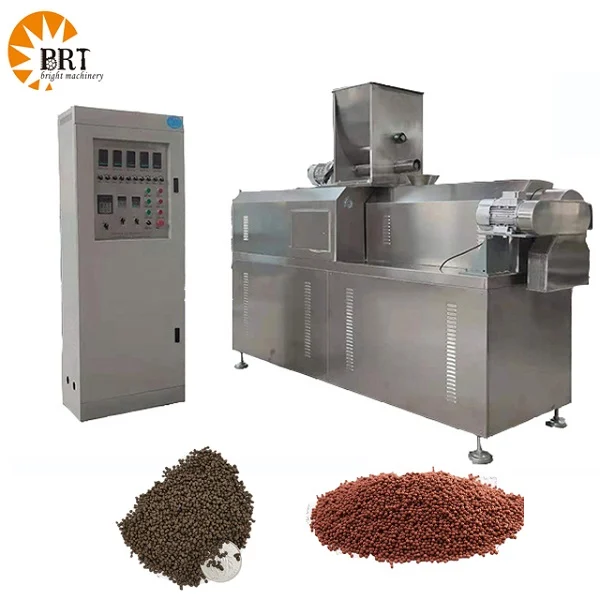

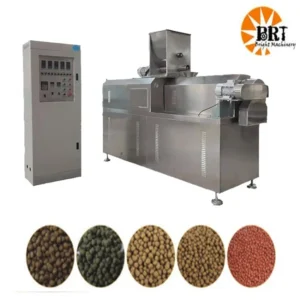

Product Details
About Sinking or Floating Fish Feed Extruder Machine
Custom Screw Profiles — We configure screw combinations and dies based on your specific local raw materials and formulas before shipment.
Technical Specifications
| Parameter | Value |
|---|---|
| Product Type | Fish Feed Extruder |
| Main Extruder | Twin-Screw Extruder |
| Screw Type | Co-rotating twin screw with adjustable combination |
| Screw Material | High-speed alloy steel, carburized, hardness HRC 55-65 |
| Control System | PLC touch screen control system with frequency conversion |
| Heating Method | Electricity, fuel oil, gas, or steam |
| Gearbox Material | QT400 box, 20CrNiMoA gears (carburizing and quenching, HRC 58-62) |
| Dryer Mesh | 304 stainless steel mesh cloth and belt |
| Raw Materials | Corn, cassava, soybean meal, fish meal |
| Certification | CE, ISO 9001:2015 |
Application Suitability
| Industry | Typical Products |
|---|---|
| Aquaculture Farms | Tilapia and catfish floating pellets, carp sinking feed, shrimp and crab feed |
| Commercial Feed Mills | Fry starter feed, slow-sinking bottom species feed |
Why Half the Floating Feed Ends Up on the Pond Bottom
Inconsistent buoyancy and poor water stability ruin feed conversion ratios. When setting up a floating carp feed line for a project in Kazakhstan, standard local wheat flour ratios were used without fully dialing in the preconditioning temperature. The expansion rate was completely off, and half the pellets sank to the pond bottom, getting rejected by the client. Every local raw material demands a custom screw profile and precise thermal control to ensure the correct settling speed and water absorption. A sinking or floating fish feed extruder manufacturer must adjust the expansion degree accurately to match your specific fish species and farming environment, preventing rejected batches and wasted raw materials.
Integrating the Extruder into Your Production Flow
A complete aquatic feed line starts with a mixer to blend raw powder and liquid ingredients, followed by a screw conveyor feeding the extruder. The twin-screw extruder cooks the mixture to control buoyancy, while an air conveyor transports wet pellets to the multi-layer dryer to reduce breakage. After drying, a hoister lifts the pellets to the flavoring system for oil application, and a cooling conveyor stabilizes them before packing. As a dedicated sinking or floating fish feed extruder manufacturer, we design these layouts, run factory trials, and offer OEM/ODM customization to fit your facility.
Raw Material and Processing Challenges
Different starch sources like corn or cassava require specific moisture and thermal profiles to achieve proper gelatinization. High fish meal or soybean meal ratios alter the friction inside the barrel, demanding precise PLC frequency conversion to maintain stable torque and temperature. Producing both floating and sinking feeds on the same line means frequently changing screw configurations and die plates, which can cause downtime if the design is not modular. Furthermore, drying and storing high-oil pellets requires efficient dehumidification to prevent mold, while the flavoring system must distribute coatings evenly without making the pellets too greasy.
Core Processing Sections Explained
The twin-screw extruder is the core, where adjustable screw combinations alter the expansion degree to produce floating, sinking, or slow-sinking feed. High-wear resistance alloy screws and precision gears guarantee long service life under high torque. The multi-layer dryer uses circulating fans and 304 stainless steel mesh to reduce moisture efficiently. The flavoring system applies oil and seasonings externally, ensuring the final pellets meet nutritional and palatability requirements. Each section is selected based on your target species, formula, and local heating infrastructure.
Hidden Costs of Choosing the Wrong Line
Selecting the wrong screw configuration leads to sinking pellets when you need floating feed, causing immediate client rejection. Inadequate drying results in moldy stock during storage, while poor cutter alignment creates irregular shapes that affect packaging and market value. A bottleneck section, such as an undersized dryer or inefficient air conveyor, forces the entire line to idle, wasting energy and labor. These issues compound into massive financial losses and damaged reputation in competitive aquaculture markets.
Why Source from Us
We configure the exact screw profile and die for your local raw materials, preventing the buoyancy failures seen in mismatched projects. Every line is run and tested in our dedicated workshop with your specific formula before shipment, ensuring the PLC controls and heating methods perform as expected. We provide CAD and 3D plant layouts, and our engineers install and commission the line on site, training your operators in maintenance and safety. With CE certification and ISO 9001:2015 quality management, we guarantee a 12-month warranty and lifetime remote technical support.
Documentation & Delivery
- CE certificate and ISO 9001:2015 quality management records
- Factory test-run video using your specific raw materials
- Third-party inspection reports available before shipment
- Packing list, commercial invoice, and customs documents
- Export wooden crates with anti-rust and moisture protection
Installation, Utilities & Maintenance
- Confirm power supply, voltage, and steam or gas heating sources
- Check floor layout, ceiling height, water, and compressed air
- Schedule die and cutter blade replacement and screw element wear checks
- Perform regular dryer cleaning and oil system maintenance
- Complete operator training for daily operation and safety protocols
Start Your Project Inquiry
To proceed, provide your target product shapes, capacity requirements, raw material formulas, local heating sources, and factory dimensions. In return, you will receive a comprehensive line proposal, CAD/3D layout, and an itemized technical quotation. We also welcome you to visit our facility to conduct live extrusion trials with your own materials.
Frequently Asked Questions
Q: How does the twin-screw extruder adjust the feed to float, sink, or slow-sink?
A: The extruder uses adjustable screw combinations and specific barrel temperature profiles to control the expansion degree and starch gelatinization. By altering the shear force and residence time, we change the pellet's density and internal air cell structure. This precise mechanical and thermal control allows one machine to produce floating, sinking, or slow-sinking feed by simply reconfiguring the screw elements and adjusting the PLC parameters.
Q: What raw materials can be used for sinking and floating fish feed?
A: The line processes typical aquatic feed ingredients including corn, cassava, soybean meal, and fish meal. It also runs on alternative local starch sources like rice flour or wheat bran with proper formula adjustment. The high-torque gearbox and wear-resistant alloy screws handle varying friction levels caused by different protein and fiber contents, ensuring stable extrusion regardless of the specific raw material blend used in your region.
Q: How to choose the right screw configuration and die for different aquatic species?
A: Floating feeds for tilapia or catfish require high-expansion screw profiles that maximize starch gelatinization and incorporate air cells. Sinking feeds for bottom species need low-shear configurations that minimize expansion and increase pellet density. We customize the screw arrangement, compression ratio, and die hole dimensions based on your target species, pellet size, and desired water stability, ensuring the final* of your aquatic animals.
Q: What heating methods are available for the dryer, and which is most cost-effective?
A: The multi-layer dryer supports electricity, fuel oil, gas, or steam heating. The most cost-effective choice depends entirely on your local energy infrastructure and fuel prices. Steam heating is highly efficient if you have an existing boiler, while gas or fuel oil offers flexible temperature control. We configure the heating source and insulation design during the initial plant layout to maximize thermal efficiency and minimize your long-term operational energy costs.
Q: Do you provide on-site installation and operator training for overseas fish feed projects?
A: Yes, our engineering team travels to your facility to install, commission, and optimize the entire production line. We conduct comprehensive operator training covering daily operation, screw configuration changes, die replacement, and routine maintenance. Additionally, we provide lifetime remote technical support via video call, WhatsApp, and email, ensuring your team can resolve operational issues quickly and maintain consistent pellet quality long after the initial setup is completed.
Factory Trial and Customization
See Your Pellets Before You Sign
Jinan MT Machinery runs trials on your own raw materials at our factory in Shandong, China, and builds each machine around your recipe, output and local utilities.
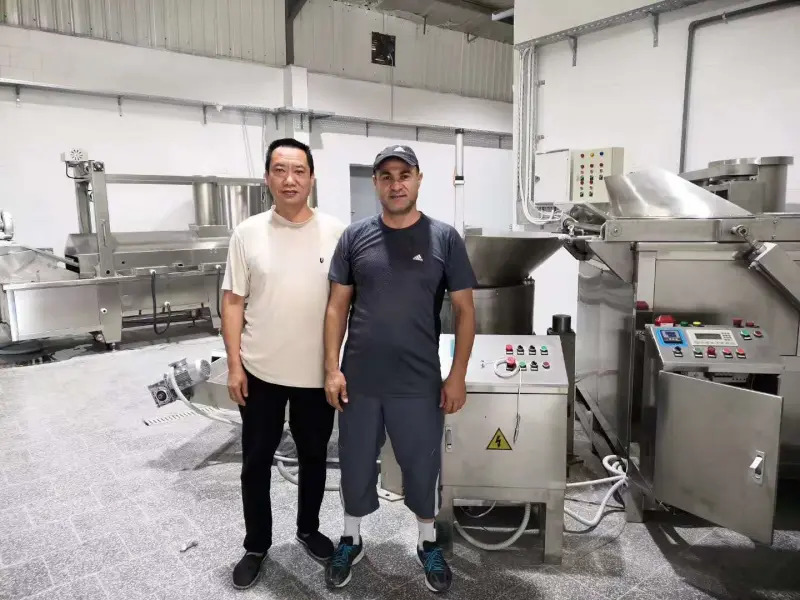
Trial Run on Your Own Raw Materials
- Bring local corn, cassava or soybean meal and run it at our factory.
- Formula testing helps your technical team confirm expansion and pellet quality.
- Inspect the pellets and the workshop before production is scheduled.

Die, Screw and Heating Built to Your Spec
- Custom dies for the pellet sizes and shapes your market buys.
- Screw combination configured for your recipe and output target.
- Heating method matched to your local voltage and heat source.
- OEM and ODM available from our own factory.
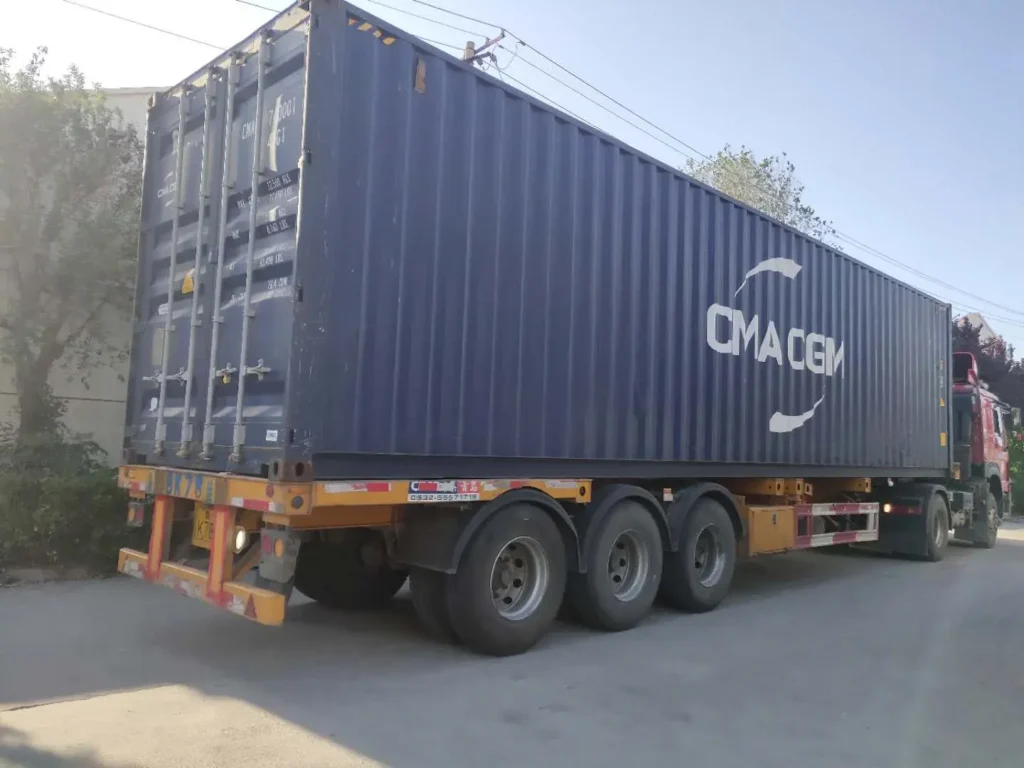
Delivery and After-Sales
Packed for Export, Installed by Our Engineers
Every order leaves in anti-rust, moisture-proof wooden crates, and our engineers install it on site, train your operators and back it with a 12-month warranty.
Export Packing
- Wooden export crates
- Anti-rust and moisture-proof treatment
- Export logistics arranged with your team
On-Site Commissioning
- Engineers install at your plant
- Commissioning on site
- Hands-on training for your operators
12 months Warranty
- Spare parts at cost, shipped with priority
- Parts supply for 10+ years
- Lifetime remote support by video, WhatsApp and email
Same Category
Related Feed Machines
Compare these machines from the same category to match your output, feed type and plant layout.
 sinking fish feed machine
Fish Feed Extruder Machine Manufacturer
 sinking fish feed machine
Fish Food Pellet Making Machine Manufacturer Plant
 sinking fish feed machine
Twin Screw Fish Feed Extruder Machine Production Line
 sinking fish feed machine
Fish Feed Making Machine for Animal and Aquatic Feed Production Line
Applications
Feed Types This Machine Serves
See the aquatic feed applications this machine is used for and the equipment behind each one.
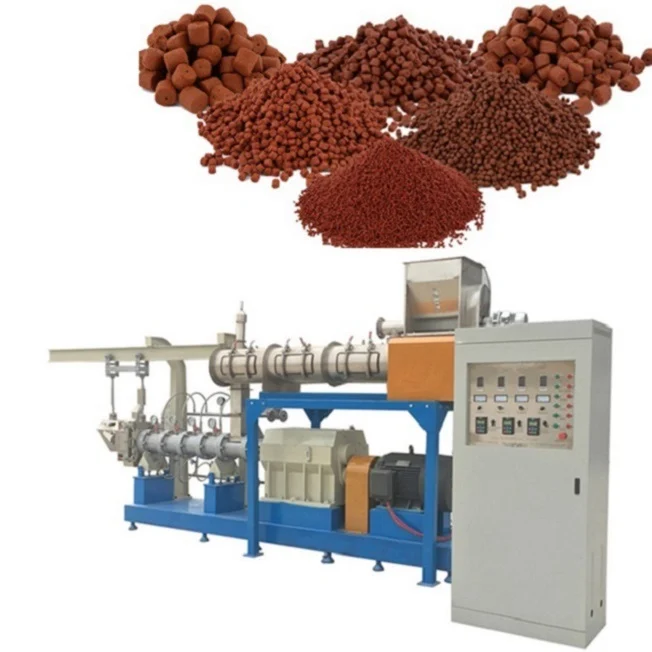
Bottom Fish Sinking Feed
Farms raising bottom-feeding species need dense pellets that sink quickly and stay intact until the fish reach them, produced on sinking feed lines or… sinking fish feed machine · floating fish feed machine
Fish Fry Starter Feed
Hatcheries, nurseries and feed mills serving them produce fine starter feed for fry, working at the small end of the 0.9–15 mm pellet range.… floating fish feed machine · sinking fish feed machine
Shrimp & Crab Feed
Shrimp and crab farms and specialist feed mills need small, dense pellets for animals that graze slowly on the pond bottom. Because crustaceans nibble… other aquactic feed machine · sinking fish feed machineBuyer Guides
Fish Feed Machine Selection Guides
These guides help owners and process engineers compare feed equipment before committing to a line.
 Oct 20, 2026 · Industry News
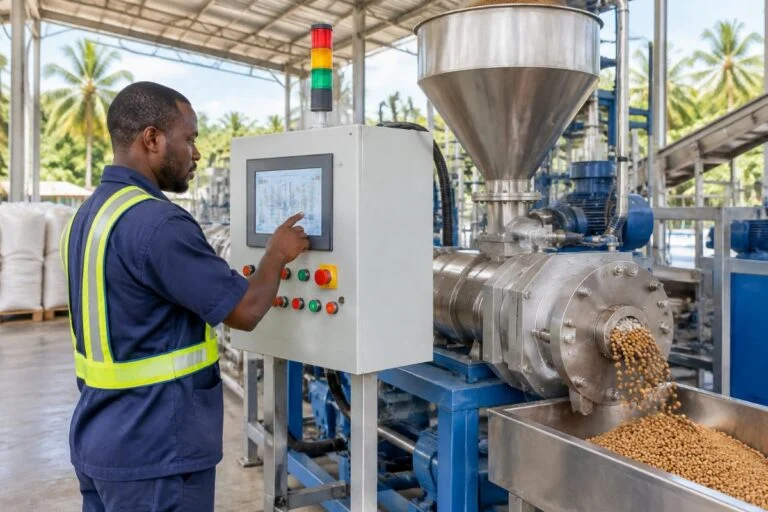
Africa Cage Fish Feed Extruder Line Manufacturer for Sale
Overcoming feed spoilage in tropical waters is the primary bottleneck for Cage fish farming Africa, driving the urgent shift to local feed production. Achieving… Read This Guide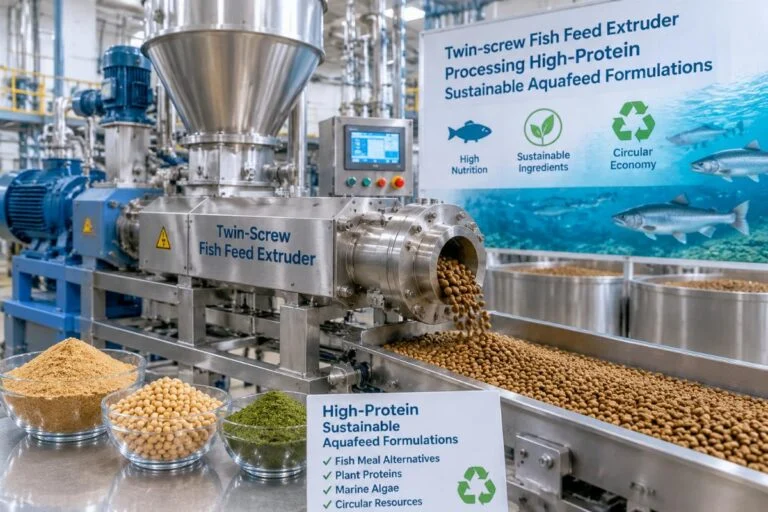 Oct 20, 2026 · Industry News
Aquafeed Extruder Manufacturer: DS70/DS95 Floating Fish Feed Line for Sale
Navigating evolving aquafeed demand trends requires precise twin-screw extrusion to overcome high-protein formulation challenges and ensure optimal starch gelatinization for water stability. Mastering shear… Read This Guide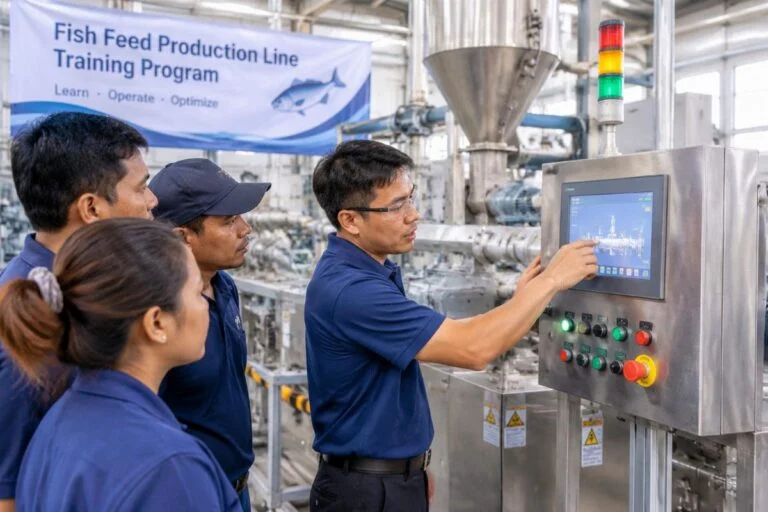 Oct 19, 2026 · News & Cases
Meiteng Fish Feed Line Training for Overseas Operators | Manufacturer
A practical fish feed line training program resolves sinking pellets caused by improper energy balance in new extrusion lines. On-site debugging aligns parameters with… Read This GuideFAQ
Questions Before You Order
Buyers of Jinan MT Machinery feed machines most often ask about factory trials, delivery, payment and spare parts.
Can I test the machine with my own raw materials before ordering?
Yes. You can visit our factory and run a trial with your own raw materials before signing the contract. Formula testing is also available, so your technical team can check the results on local ingredients.
What is the delivery time?
Common standard models are in stock and delivered within 10 days. Custom solutions take 30–50 working days. Every line completes a full test run before it leaves the factory.
What payment terms do you accept?
We accept T/T and L/C, usually at sight, as well as Alibaba Trade Assurance. PayPal is available for small orders and Western Union for sample orders. D/P and D/A are considered only for long-term customers with good credit.
How do I get spare parts and support after installation?
Spare parts ship with priority at cost price, and parts supply continues for more than 10 years. The warranty runs 12 months, with lifetime remote support by video, WhatsApp and email. Preventive maintenance, emergency repair and staff training are also available.
What our customers say
“Floating pellets hold on the water for over six hours. On our old line half the feed sank within 30 minutes and we lost money on every bag.”
“One MT75 line runs floating tilapia feed and sinking feed for bottom feeders by changing the die and settings. No second line needed.”
“They tested our local cassava and rice bran blend at their factory before we signed, and the expansion ratio we got on site matched what they promised.”
Talk to the Factory
Get a Quote for Sinking or Floating Fish Feed Extruder Machine
We reply within 24 hours with free process advice, a CAD and 3D workshop layout, and an itemized technical quotation.
- WhatsApp+86 186 1542 3372
- Emailmt@mtmachinery.com
- Response TimeWithin 24 hours