Fish Feed Technical Article
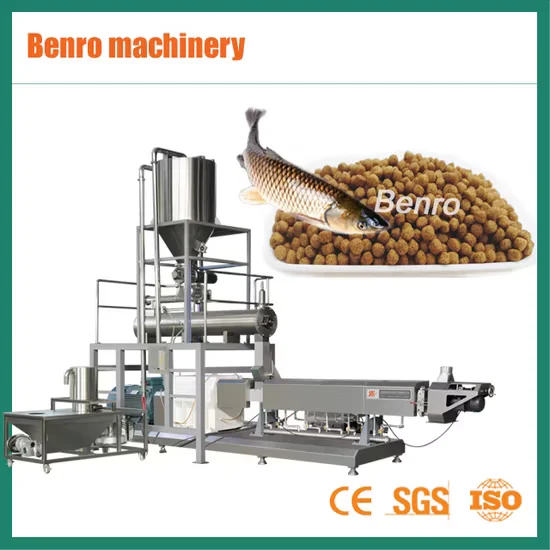
Frog & Turtle Floating Feed Extruder Manufacturer DS70 DS85

Making high-protein frog and turtle pellets float has nothing to do with simply cranking up the extrusion pressure.
Producing premium floating feed for frogs and turtles relies entirely on matching the screw configuration with precise moisture control and barrel temperature profiles to achieve adequate starch gelatinization, rather than relying on mechanical force alone.
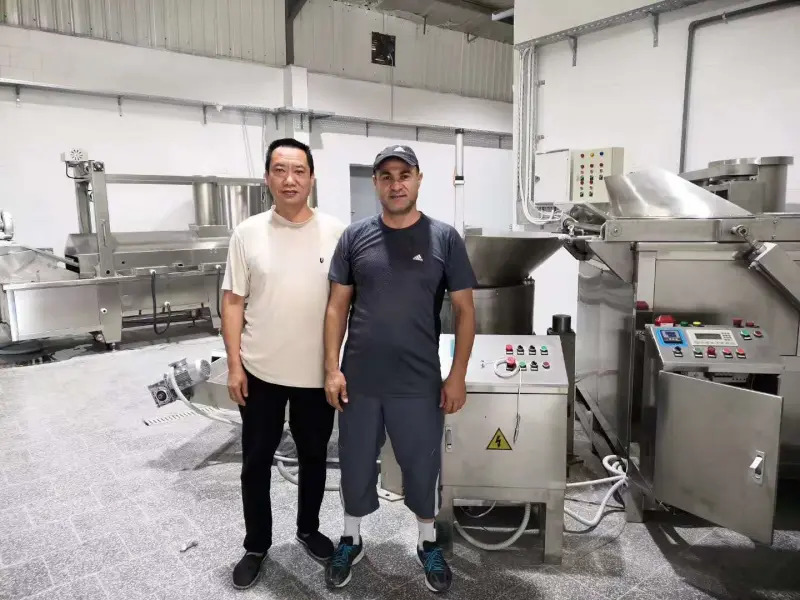
Standing by a shrimp pond in Can Tho, Vietnam, I watched a customer shake his head in frustration as a fresh batch of frog feed sank straight to the bottom. The DS85 twin-screw unit had just been installed under my direct supervision, and floating feed should never behave this way. Popping open the extrusion barrel revealed the culprit: the thermocouple was reading five degrees off, and the screw assembly was completely mismatched for his high-fishmeal formula. The material simply lacked the necessary degree of cooking. Transitioning from workshop quality control to field engineering across Southeast Asia, I have seen this exact scenario play out countless times. Operating a Frog and turtle feed floating extruder is not about memorizing spec sheets; it is about understanding the temperamental relationship between formula moisture and barrel heat. Adjusting the screws on a DS70 or DS85 is a skill forged in muddy trenches, not in a sterile office.

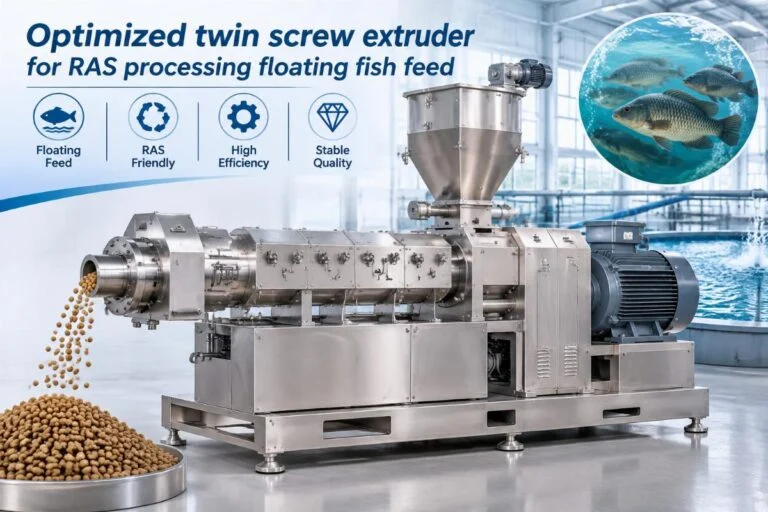
Getting the buoyancy right requires a deep dive into the mechanics of the Frog and turtle feed floating extruder and the raw materials it processes.
Why Do High-Protein Frog/Turtle Pellets Sink?
The primary reason high-protein pellets sink is insufficient material gelatinization caused by an improperly adapted screw configuration.
When formulating feed for carnivorous species like frogs and turtles, producers naturally lean heavily on fishmeal. This creates a paradox: the very ingredient that provides essential nutrition actively hinders the extrusion process. Starch is the natural binder and expanding agent in aquaculture feed. When protein levels surge, starch content inevitably drops. In a standard Frog and turtle feed floating extruder, low starch means the material lacks the structural matrix required to trap steam and expand upon exiting the die.
I recall a project in a coastal Southeast Asian facility where the client insisted on maximizing fishmeal content to boost growth rates. The resulting pellets were dense and sank immediately. The local operators assumed the machine lacked power and attempted to increase the main motor frequency. This only generated excess friction heat, degrading the amino acids without solving the buoyancy issue. The real fix involved redesigning the screw elements to increase the shear zone length, compensating for the missing starch by mechanically forcing the protein matrix to gelatinize under controlled thermal conditions.

Another common misconception is that buoyancy is achieved by maximizing pressure inside the barrel. In reality, excessive pressure without adequate thermal energy leads to a dense, glassy pellet that fractures rather than expands. The true mechanism of floating relies on the sudden flash evaporation of moisture at the die face, which requires the material to be fully cooked and plastified beforehand.
How to Select the Right Twin-Screw Extruder?
Selecting the correct machine requires aligning the specific model capacity with the rheological properties of your target formula.
When evaluating a Frog and turtle feed floating extruder, buyers often fixate on the stated output capacity. However, the physical dimensions of the screws and the available torque dictate what recipes the machine can actually handle. The DS70 and DS85 models represent different tiers of mechanical aggression. The DS70 is highly efficient for standard formulations with moderate starch levels, offering a balanced shear profile. Conversely, the DS85 provides a larger free volume and higher torque capacity, which is essential when pushing the boundaries of high-protein, low-starch recipes.
Consider a scenario where a startup in Latin America wanted to produce premium turtle feed. They initially inquired about a smaller capacity machine to save on capital expenditure. However, their formula required extensive mechanical work to achieve the necessary expansion. A smaller barrel would have required the screws to turn at impractical speeds, leading to severe wear and inconsistent pellet density. By stepping up to a larger capacity model, the material residence time increased naturally, allowing for gentle but thorough cooking without burning the sensitive proteins.

Furthermore, the die plate design must be customized to match the machine’s pressure curve. A Frog and turtle feed floating extruder is only as good as its discharge system. The open area ratio of the die holes must be calculated to ensure the pressure drop at the exit is sufficient to trigger expansion, yet restricted enough to maintain backpressure inside the barrel for proper mixing.
What Are Key Parameters for Floating Feed Formulation?
Moisture control and the barrel temperature curve are the absolute determinants of pellet buoyancy and stability.
Operating a Frog and turtle feed floating extruder is essentially a balancing act of thermodynamics. The preconditioning moisture level dictates how much mechanical energy is converted into thermal energy. If the initial moisture is too high, the material slips between the screws, generating insufficient friction heat, resulting in an undercooked, sinking pellet. If it is too low, the material acts like sandpaper, causing excessive wear and potentially scorching the feed.
During a commissioning trip for a new floating feed line, we encountered a batch of raw materials with unusually high ambient humidity. The standard temperature settings produced pellets that were slightly too dark and brittle. By slightly reducing the barrel heating zones and increasing the liquid injection rate in the preconditioner, we restored the perfect golden-brown color and stable buoyancy. The machine’s automated controls allowed us to map the temperature profile precisely, ensuring the material reached the critical gelatinization threshold without exceeding the degradation point of the added vitamins.
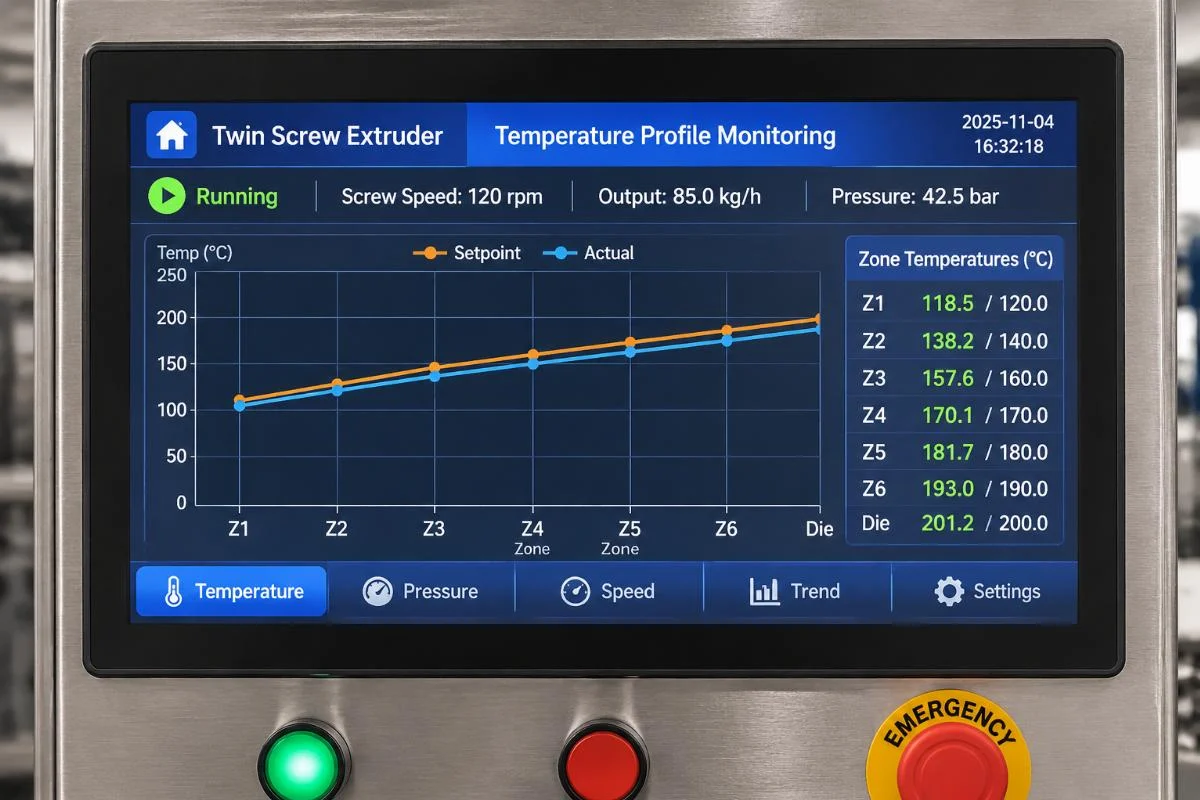
The screw speed also plays a pivotal role. Higher speeds increase the shear rate, generating more internal heat. However, this must be carefully moderated. In a Frog and turtle feed floating extruder, running too fast can cut the residence time short, meaning the material exits the die before the core is fully cooked. This leads to a phenomenon where the pellet expands initially but collapses during the drying phase because the internal structure lacked the strength to hold the air pockets.
How to Set Up a Turnkey Floating Feed Line?
A successful production line requires seamless integration from the extruder through the drying and cooling systems to guarantee final product quality.
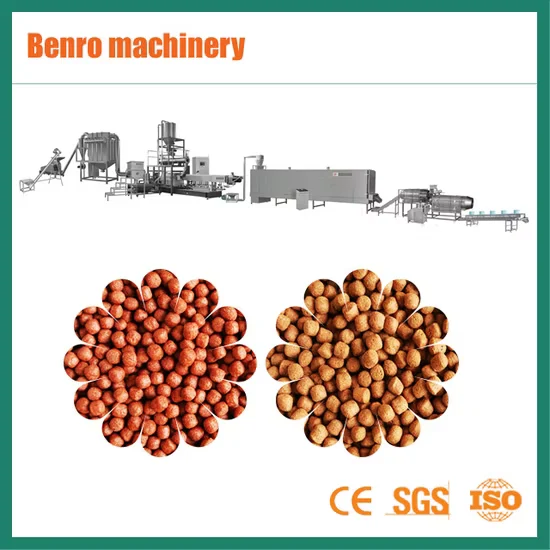
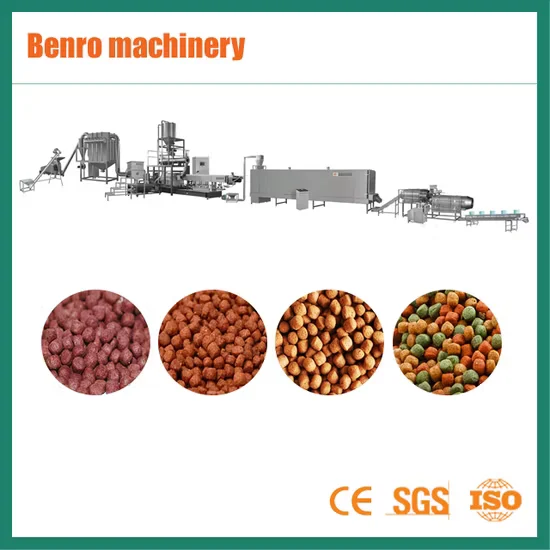
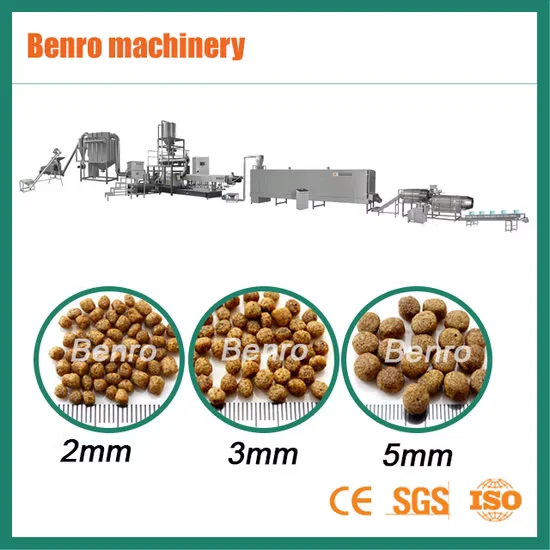
Purchasing a Frog and turtle feed floating extruder is only the beginning. The extruded pellets exit the die with high moisture content and elevated temperatures. If not handled correctly, the thermal shock can cause micro-fractures, ruining the water stability of the feed. A comprehensive turnkey approach ensures that the downstream equipment is perfectly synchronized with the extrusion output.
I once consulted for a facility where the extruder was producing perfect floating pellets, but the final product was developing mold within weeks. The issue was not the Frog and turtle feed floating extruder, but the cooling system. The dryer was reducing the moisture adequately, but the ambient air cooling bin was trapping residual heat, creating a condensation environment inside the packaging. By redesigning the airflow pattern in the cooling section and integrating a precise moisture monitoring system, we eliminated the spoilage issue entirely.

Furthermore, the flavor coating system must be calibrated to apply oils and attractants evenly without compromising the pellet’s buoyancy. Over-coating can seal the microscopic pores on the pellet surface, preventing water from entering and causing the feed to float initially but eventually sink as the core absorbs moisture unevenly. A true turnkey solution provided by an experienced manufacturer accounts for these subtle interactions, ensuring that the entire line operates as a single, cohesive organism rather than a collection of isolated machines.
Conclusion
Mastering floating feed production demands a holistic view of machinery, formulation, and downstream processing.
Success with a Frog and turtle feed floating extruder is never about forcing the machine to overcome a flawed recipe; it is about harmonizing screw mechanics with thermal dynamics. From the initial shear zones to the final cooling bins, every parameter must be tuned to respect the physical limits of the ingredients. Only through this integrated, experience-driven approach can producers consistently deliver high-quality, buoyant feed that meets the rigorous demands of modern aquaculture.