Fish Feed Technical Article
DS65 vs DS70 Fish Feed Extruder Manufacturer: Bulk Wholesale

Selecting between the DS65 and DS70 models hinges entirely on raw material fineness tolerance and target floating rates, rather than merely comparing motor power outputs. When producers misjudge this distinction, the resulting on-site rework and energy waste far exceed the initial equipment price difference.
Standing in a sweltering warehouse in Lagos, Nigeria, watching a tilapia feed line struggle with sinking pellets, the root cause became painfully clear. The client had opted for the smaller model to cut initial costs, but when raw material fineness fluctuated, die pressure dropped instantly, and the floating rate fell below the critical benchmark. I spent several consecutive nights on the floor, manually adjusting the screw combination to restore the starch gelatinization degree and bring the floating rate back to the required level. Moving from tightening wrenches on the shop floor to troubleshooting across multiple regions in Africa, the reality is undeniable: the gap between these two machines is not just about capacity; it is about the screw length-to-diameter ratio and its uncompromising control over starch gelatinization. Choosing the wrong model guarantees that the penalty of on-site rework will be far more severe than the savings on the invoice.

Understanding these mechanical nuances is the first step toward a stable production line. Let us break down the core technical differences and how they translate to real-world aquaculture feed production.
What Are the Core Technical Differences Between DS65 and DS70?
The fundamental divergence lies in the screw length-to-diameter ratio and the resulting specific mechanical energy input, which dictates starch gelatinization control. Many buyers assume the larger model is simply a scaled-up version of the smaller one, but the internal geometry tells a completely different story.
When evaluating a twin screw fish feed extruder comparison, the screw configuration is where the magic happens. The larger model features a noticeably extended screw length relative to its diameter. This extended residence time allows for a substantially higher specific mechanical energy input, which is non-negotiable for achieving the deep starch gelatinization required for stable floating pellets.
| Technical Parameter | DS65 Model | DS70 Model |
|---|---|---|
| Screw L/D Ratio | Standard | Noticeably Extended |
| Starch Gelatinization Control | Standard | Substantially Enhanced |
| Raw Material Fineness Tolerance | Strict | Highly Flexible |
| Die Pressure Stability | Vulnerable to Fluctuation | Robust |
| Specific Mechanical Energy | Basic | Controlled & High |
In a recent DS65 DS70 aqua feed machine capacity assessment for a Southeast Asian startup, the team initially focused solely on the throughput numbers. However, when we analyzed their raw material sourcing, the fineness consistency was highly variable. The smaller model would have struggled to maintain consistent die pressure with such fluctuations, leading to a high rejection rate. The larger model’s extended screw profile provided the necessary mechanical leverage to process variable fineness without sacrificing pellet structure.

How Do DS65 and DS70 Perform in Real Aquaculture Feed Production?
The larger model demonstrates superior resilience against raw material fluctuations, ensuring stable floating rates that consistently meet the critical benchmark. In the field, theoretical capacity means nothing if the pellets end up at the bottom of the pond.
Consider a floating fish feed extruder model selection scenario for a large-scale tilapia operation in Africa. The facility experienced severe pressure drops whenever a new batch of soybean meal arrived with slightly coarser particles. The smaller machine simply could not build enough pressure to force the mixture through the die uniformly, resulting in a massive amount of sinking feed. By upgrading to the larger model, the extended screw combination generated the necessary shear force to gelatinize the coarser starches effectively. The die pressure stabilized, and the floating rate recovered to the required level, eliminating the costly rework of sinking pellets.
Similarly, a shrimp feed producer in Latin America needed to scale up their operation. They required a machine that could handle complex formulas with high lipid content while maintaining excellent water stability. The smaller model struggled with the high fat content, causing slippage inside the barrel and inconsistent pellet formation. Transitioning to the larger model provided the precise temperature and pressure control needed to emulsify the fats properly, resulting in a noticeable improvement in pellet water stability and overall yield.

Which Model Should You Choose for Your Specific Feed Formula?
The decision must align strictly with your raw material fineness consistency and your target floating or sinking rates, rather than just budget constraints. A cheaper initial equipment cost often leads to significantly higher long-term operational expenses if the machine cannot handle your specific formulation challenges.
If your facility sources raw materials from multiple local suppliers with varying particle sizes, the smaller model will constantly fight against pressure drops. You will find yourself frequently adjusting the screw combination or rejecting entire batches of feed. In this case, the larger model is the only viable choice, as its extended screw profile forgives fineness variations and maintains consistent die pressure.
Conversely, if you are producing sinking feed for bottom-feeding species like catfish, and your raw material fineness is tightly controlled and uniform, the smaller model can be a highly efficient, cost-effective solution. A startup in Southeast Asia successfully utilized the smaller model for a dedicated catfish line. By strictly controlling the grinding process to ensure uniform fine particles, they avoided the pressure fluctuations that plague poorly managed lines. The key was matching the machine’s capabilities to the strict consistency of their raw materials.
When navigating a floating fish feed extruder model selection, Meiteng provides comprehensive formula development support to ensure your recipe matches the mechanical reality of the chosen equipment. Our turnkey aquaculture feed lines are designed around your specific raw material profile, ensuring that the extruder operates at peak efficiency from day one.
How to Ensure Smooth Installation and Operator Training?
Proper screw combination adjustment and rigorous on-site training are the only ways to avoid costly rework and ensure optimal extruder performance. Delivering the machine is only the beginning; the real value lies in the integration and knowledge transfer.
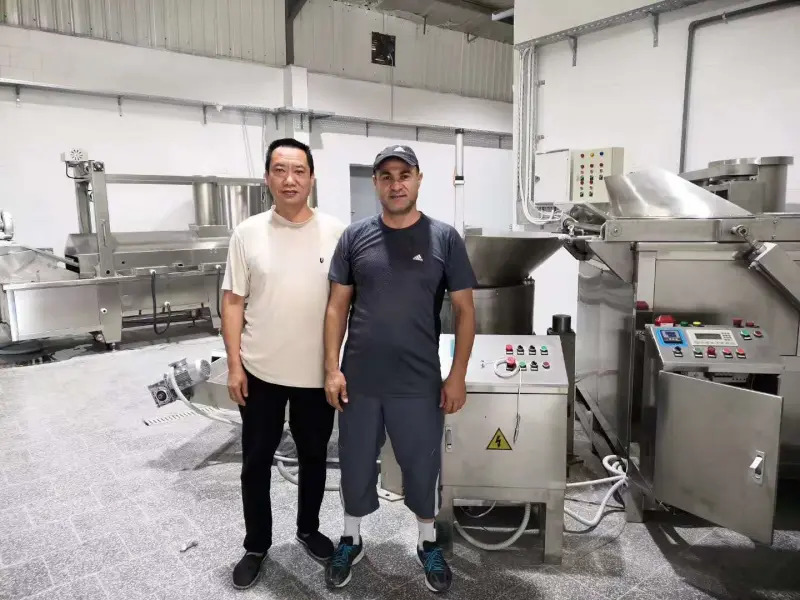
During a recent installation in a new facility, the client’s operators were unfamiliar with the nuances of adjusting the screw combination for different seasonal raw materials. Without proper guidance, they would have blamed the equipment for production issues that were actually caused by improper setup. Meiteng’s on-site installation and operator training programs bridge this gap. Our engineers do not just bolt the machine down; they work alongside your team, adjusting the screw profile and die molds to match your exact formula.
This hands-on approach ensures that your operators understand the relationship between feeder speed, conditioning temperature, and screw speed. They learn how to read the ammeter to anticipate die pressure changes before they result in defective pellets. This level of support is critical for startups and expanding producers who cannot afford extended downtime or massive product waste during the commissioning phase.
Furthermore, Meiteng offers multi-language technical support and remote diagnostic assistance, ensuring that even after our engineers leave the site, your team has the backing needed to maintain smooth operations. Our integrated drying, cooling, and flavor-coating systems are also calibrated in tandem with the extruder, guaranteeing that the entire production line works as a cohesive unit.

Conclusion
Choosing between the DS65 and DS70 is a strategic decision rooted in raw material tolerance and gelatinization requirements, not just motor power. Misalignment between your formulation variables and the machine’s mechanical capabilities will inevitably lead to severe operational penalties. By matching the screw length-to-diameter ratio to your specific production realities and leveraging comprehensive turnkey support, you secure a stable, efficient, and profitable aquaculture feed line.