Fish Feed Technical Article
Brabender Lab Extruders vs Pilot Lines for Fish Feed R&D Wholesale
Matching laboratory RPM to pilot RPM is a complete waste of time if the specific mechanical energy is completely ignored.
Lab extruders optimize formulas, but pilot lines validate scalability; mismatched shear heat and residence time cause floating rate failures.
While adjusting a twin-screw setup at an aquaculture facility in Vietnam, the plant owner constantly complained that the R&D data never matched the mass production results. They had spent a fortune on a certain German brand’s small laboratory machine to develop formulas. The gelatinization degree looked beautiful on paper, but once the batch moved to the pilot line, everything fell apart. The fundamental logic of shear heat and residence time between the small machine and the commercial line is entirely different, causing the floating rate of the fish feed to consistently miss the mark. We eventually had to bring a pilot line directly to the site to readjust the screw combinations and thermal profiles. Transitioning from quality control to business development over the years, I know exactly how deep this pit is, and selecting R&D equipment cannot be based on spec sheets alone.
Understanding why these discrepancies happen is the first step toward commercial success. Let us break down the technical realities of scaling up.
Why Do Lab Extruder Results Fail on Pilot Lines?
The core failure lies in the fundamental divergence of shear heat generation and material residence time between different scales.
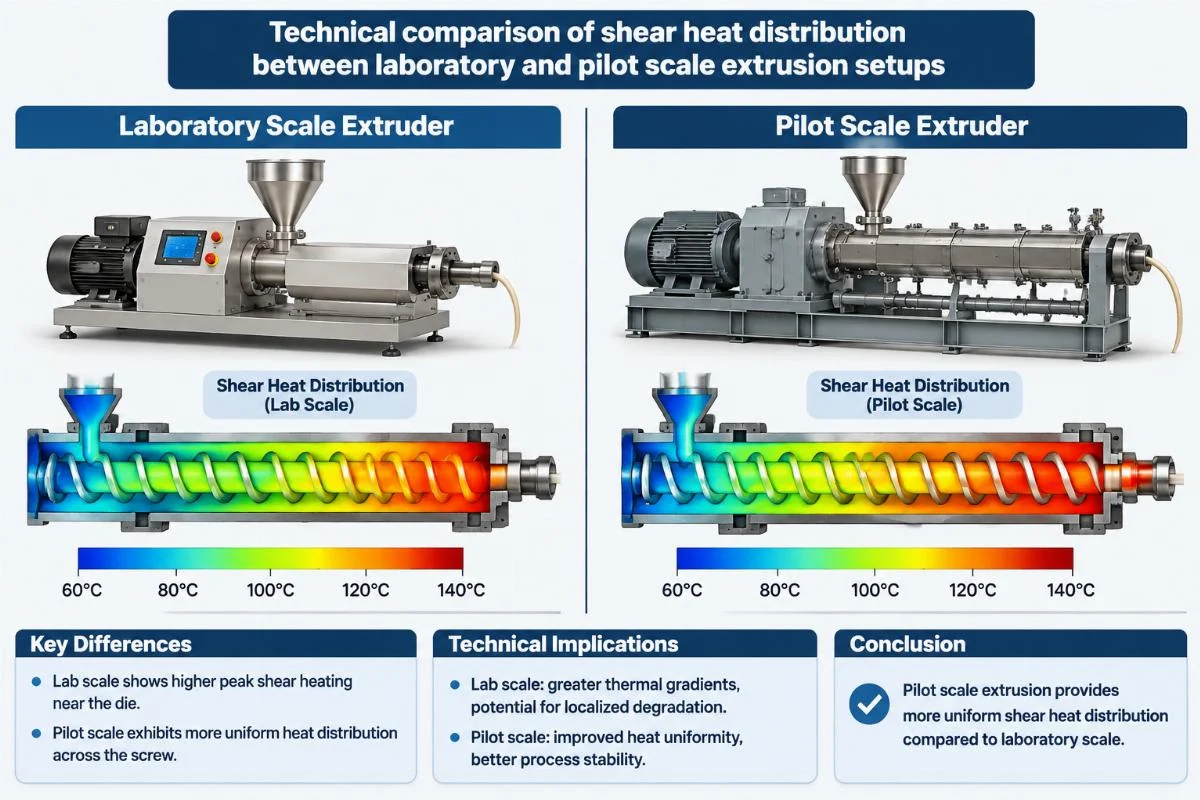
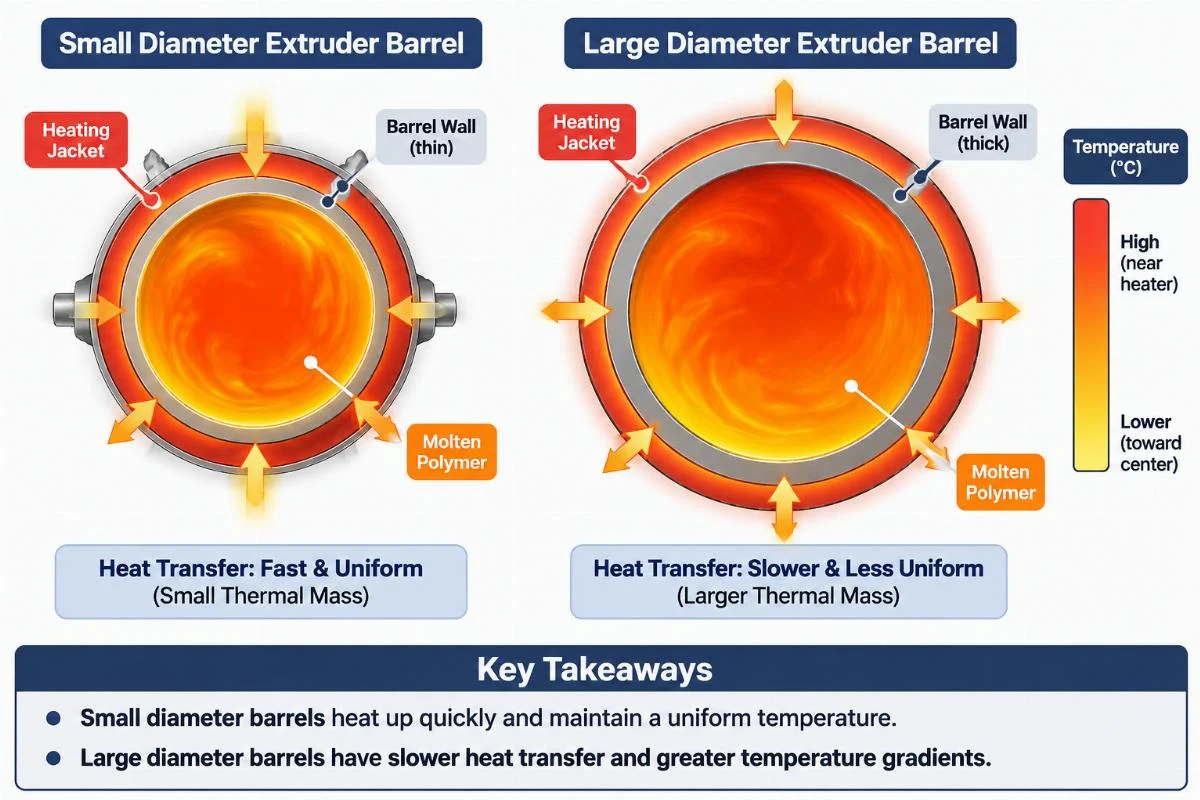
When you run a Brabender alternative fish feed extruder in a controlled lab environment, the material experiences a very specific thermal and mechanical history. The barrel diameter is small, meaning heat transfer from the external heaters is almost instantaneous, and the shear rate is highly concentrated. However, when you attempt lab to pilot scale extrusion, the physics change drastically. The larger barrel diameter of a pilot machine means the core of the material relies heavily on frictional shear heat rather than just conductive heat from the barrel walls.
Consider a scenario involving a Southeast Asian aquaculture feed producer. They developed a high-starch shrimp feed formula in the lab. The laboratory results showed exceptional expansion. However, when transferred to a larger twin-screw pilot line for aquaculture feed, the pellets turned out dense and sank. The lab machine generated a massive amount of shear heat in a very short residence time. The pilot line, with a longer barrel and different flight depths, required a completely different thermal profile to achieve the same melt viscosity. The specific mechanical energy was not aligned, leading to a severe gelatinization gap where the lab showed a high degree, but the pilot failed completely.
The residence time also shifts. A longer barrel does not automatically mean better cooking; it often means the material sits in the cooling zones longer, losing the thermal momentum required for proper expansion at the die face.
Lab Extruders vs. Pilot Lines: A Technical Comparison Matrix
Evaluating equipment requires looking beyond basic capacity and understanding the mechanical and thermal control parameters.
To make informed purchasing decisions, buyers must compare the technical specifications that actually influence the final pellet quality. The following matrix highlights the critical differences between a standard laboratory setup and a commercial-grade twin-screw pilot line for aquaculture feed.
| Parameter | Standard Laboratory Extruder | Twin-Screw Pilot Line for Aquaculture Feed |
|---|---|---|
| L/D Ratio | Basic | Extended for flexible profiling |
| Shear Control | Uncontrolled | Standard |
| Temperature Precision | Noticeably reduced | Substantially extended |
| Screw Modularity | Sample-level | Full batch-level |
| Scalability Validation | Not provided | Verifiable |
A European contract manufacturer once faced a floating rate crisis. Their lab pellets floated perfectly, but the pilot line produced a massive rejection rate due to expansion mismatch. The issue was traced back to the screw configuration. The lab machine had a fixed, short L/D ratio that forced rapid compression. The pilot line had a modular design, but the initial screw profile they used mimicked the lab’s aggressive compression too early in the barrel. This caused the material to over-shear and burn before reaching the die, destroying the gas-cell structure needed for buoyancy.
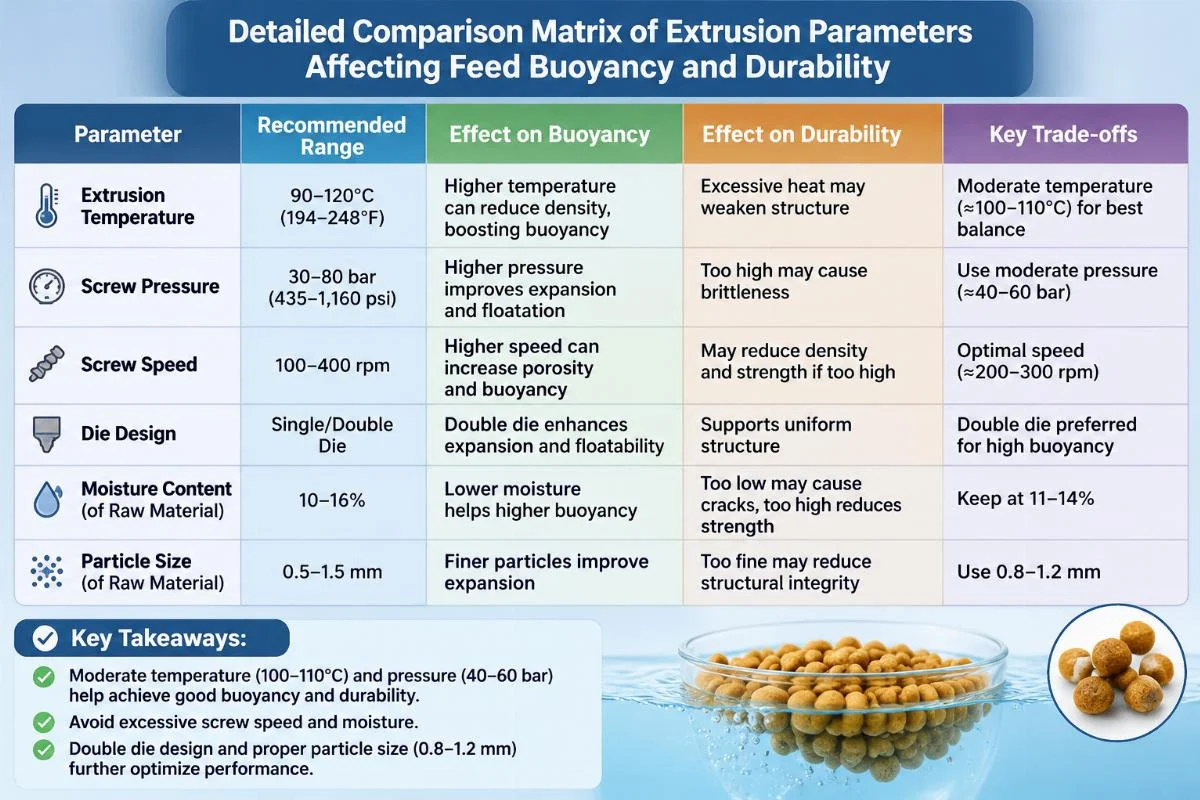
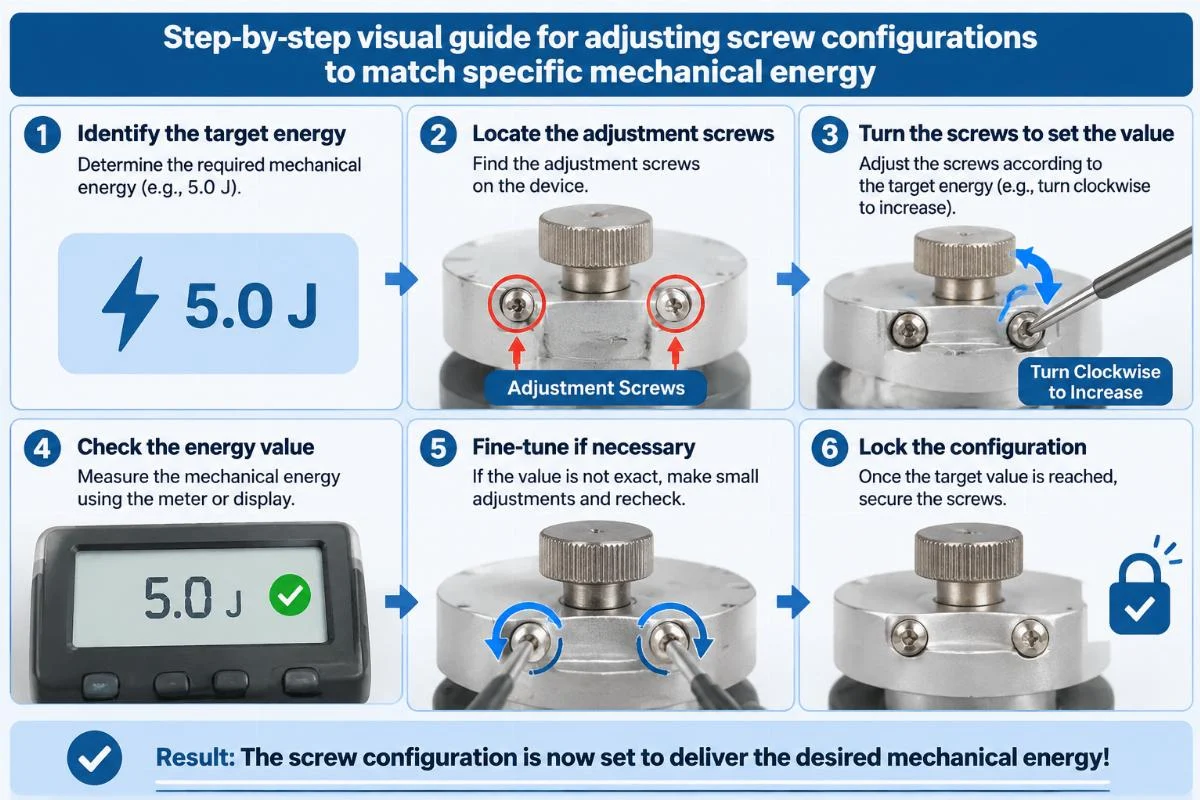
Matching the specific mechanical energy is the only way to bridge this gap. You cannot simply copy the temperature settings; you must replicate the energy input per unit mass of the feed.
How to Scale Fish Feed Formulas Without Losing Floating Rates
Achieving consistent buoyancy requires matching the specific mechanical energy and strategically adjusting screw combinations.
The counter-intuitive reality of extrusion is that high lab gelatinization does not guarantee pilot expansion. The shear history is entirely different. To scale successfully, engineers must calculate the specific mechanical energy and map the shear rates.
Here is the methodology for a successful scale-up:
- Calculate Specific Mechanical Energy: Measure the torque and RPM in the lab to determine the exact energy input per kilogram of feed.
- Map the Shear Rate: Analyze the screw flight depth and pitch in the lab machine to understand where the peak shear occurs.
- Adjust Screw Combinations: On the pilot line, do not just copy the lab’s screw layout. You often need a longer residence time on the pilot to allow for proper heat penetration in the larger volume. Introduce more kneading blocks in the metering zone to compensate for the reduced conductive heat from the barrel walls.
- Align Thermal Profiles: Set the barrel temperatures on the pilot line lower than the lab in the feed zone, but higher in the metering zone to encourage frictional heating, matching the specific mechanical energy target.
A Latin American fish feed producer struggled with a sinking feed formula that was supposed to be floating. By shifting the compression zone further down the barrel on their pilot line and increasing the specific mechanical energy through targeted kneading elements, they recovered the expansion properties. The floating rate stabilized, and the gelatinization degree matched the lab targets without burning the proteins.
It is all about replicating the mechanical history of the material, not just the final temperature.
Choosing the Right Pilot Line for Commercial Transition
Selecting a pilot line with turnkey support and formula debugging capabilities is essential for bridging the lab-to-production gap.
When transitioning from R&D to commercial production, the equipment you choose must offer more than just steel and motors. It needs to provide the mechanical flexibility to replicate your lab’s specific mechanical energy. This is where selecting the right manufacturing partner becomes critical.
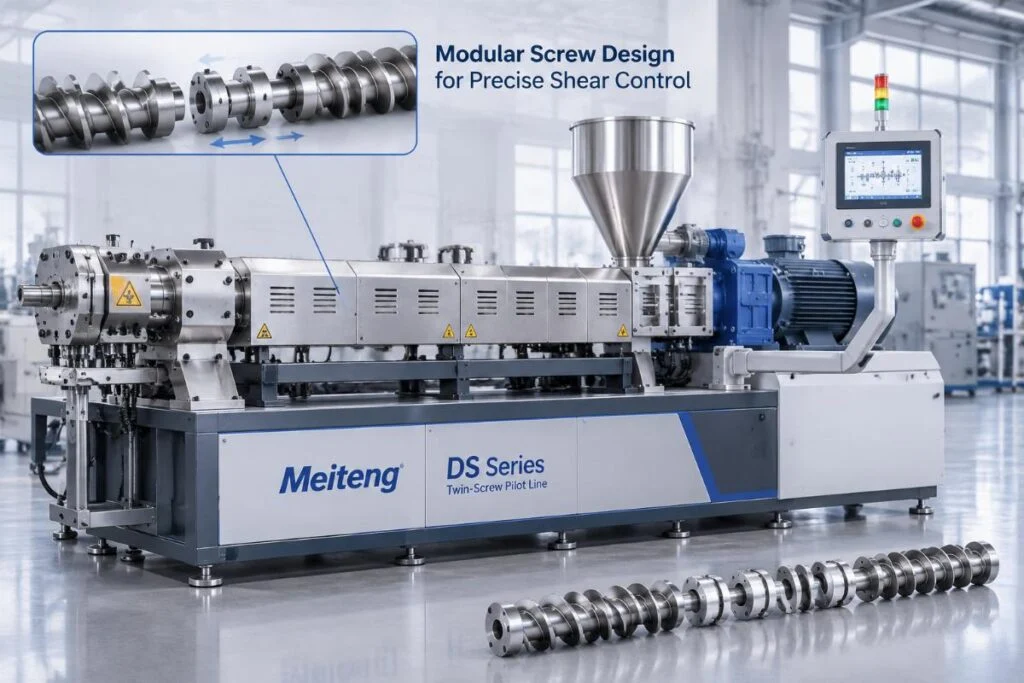
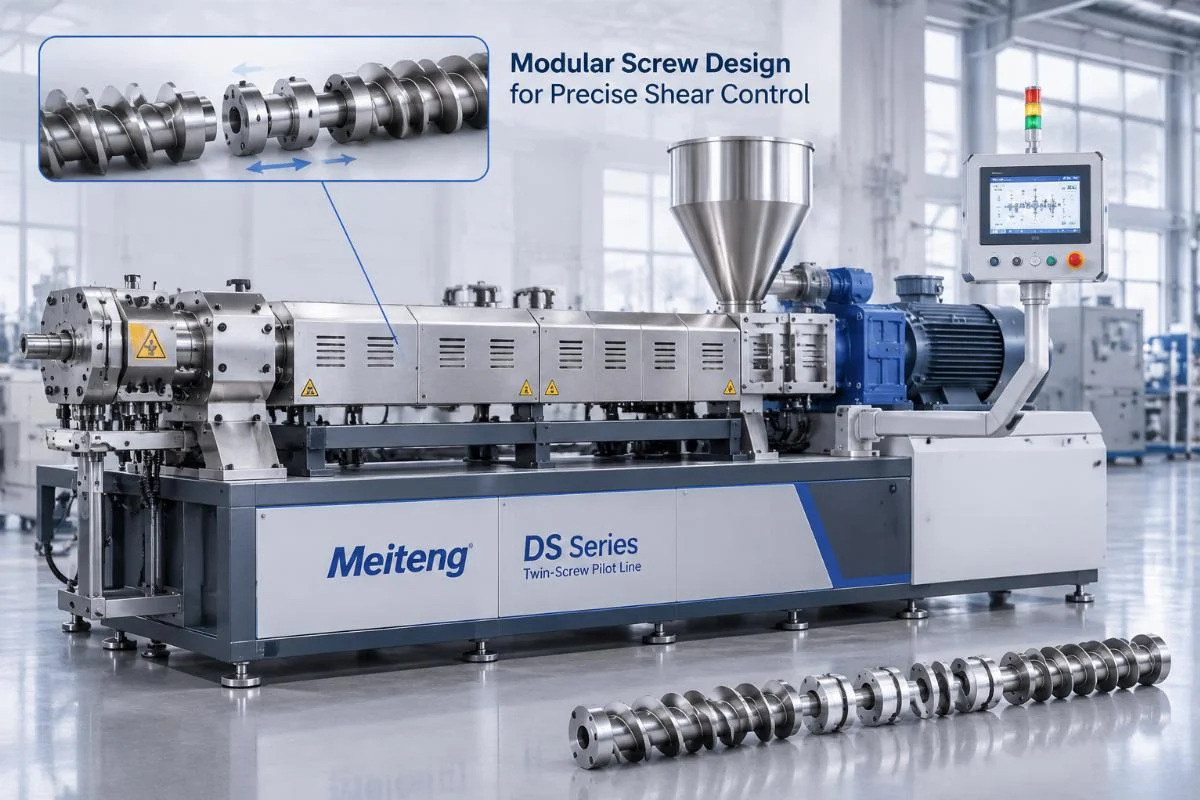
Meiteng provides specialized solutions designed specifically for this transition. Our DS series twin-screw extruders are engineered with modular screw configurations that allow producers to precisely tune the shear history and residence time. Unlike rigid lab machines, the DS series offers the extended L/D ratio and precise temperature control zones necessary to validate scalability.
Furthermore, Meiteng offers comprehensive formula development support. When you invest in a twin-screw pilot line for aquaculture feed from Meiteng, you are not just buying hardware; you are gaining access to a team that understands the complex rheology of aquaculture ingredients. They provide on-site installation, commissioning, and operator training, ensuring that your team can effectively debug formulas and align the shear heat between the lab and the pilot line. With capacities ranging across multiple product lines and full turnkey line design from raw material intake to packaging, Meiteng ensures that your floating feed success is not left to chance. Their focus on production line consulting means that the mismatched shear heat and residence time that plague other operations are systematically eliminated before commercial production even begins.
Conclusion
Scaling fish feed production requires replicating mechanical energy, not just copying laboratory temperatures.
Lab extruders are excellent for initial formula optimization, but they cannot predict the complex shear heat and residence time dynamics of larger equipment. By utilizing a modular twin-screw pilot line and focusing on specific mechanical energy alignment, producers can avoid floating rate failures and ensure a smooth transition to commercial manufacturing.